
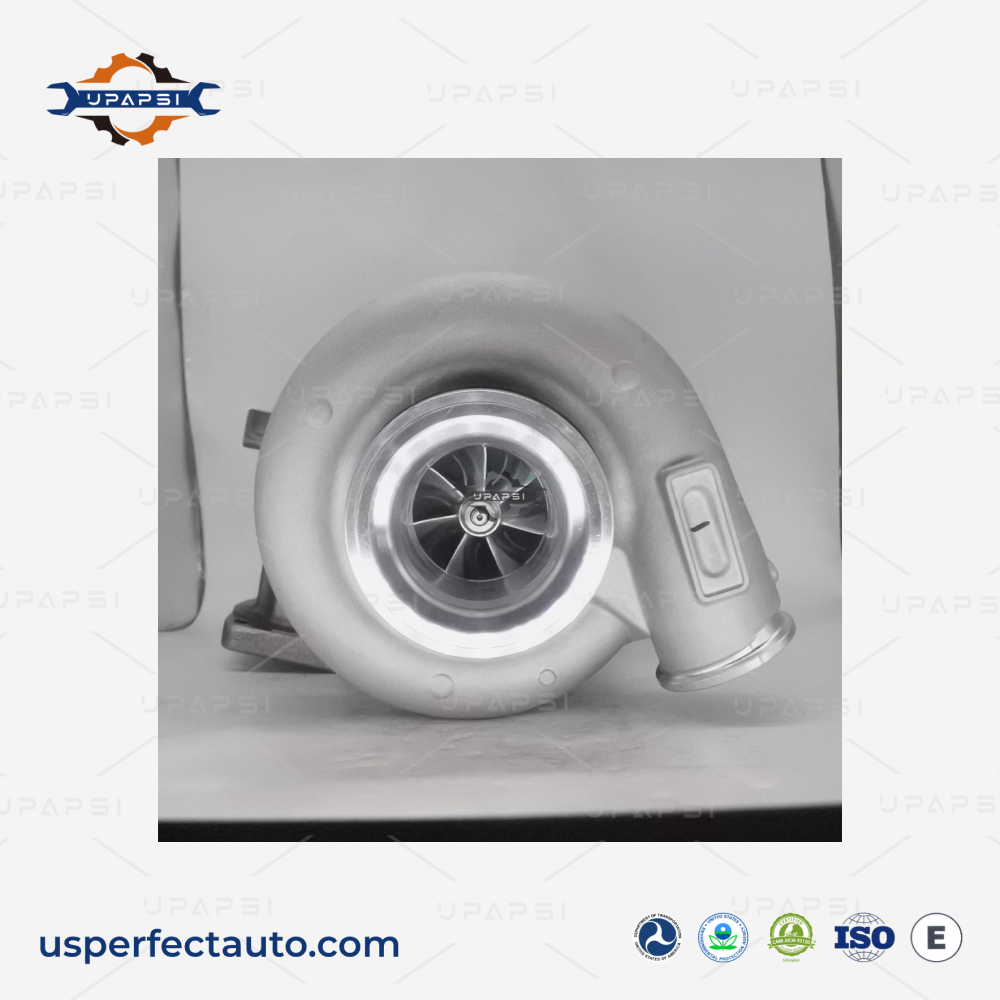
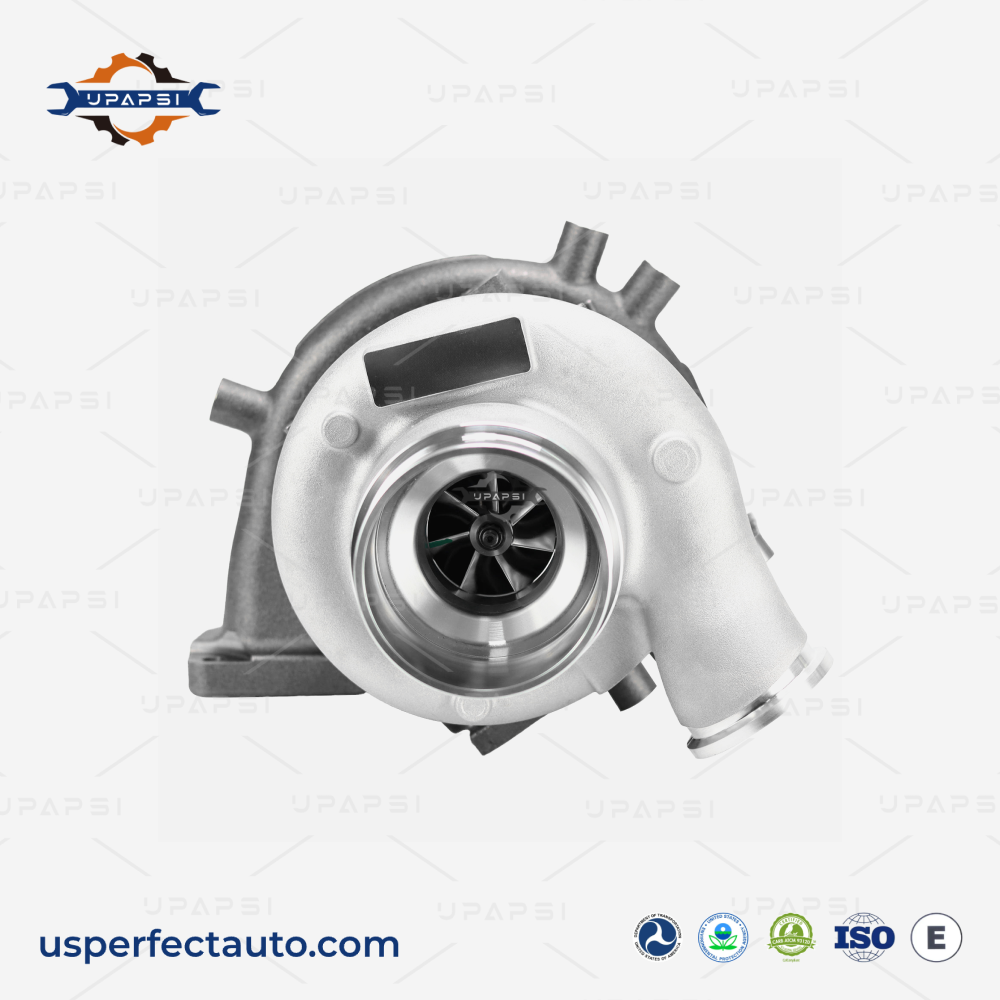
HE531VE 3767294 Turbocharger for PACCAR MX13 EPA10
3767294, 4031052, 2052194PRX, 2117933PRX, 2052194, 2117933, 1831156, 2842125
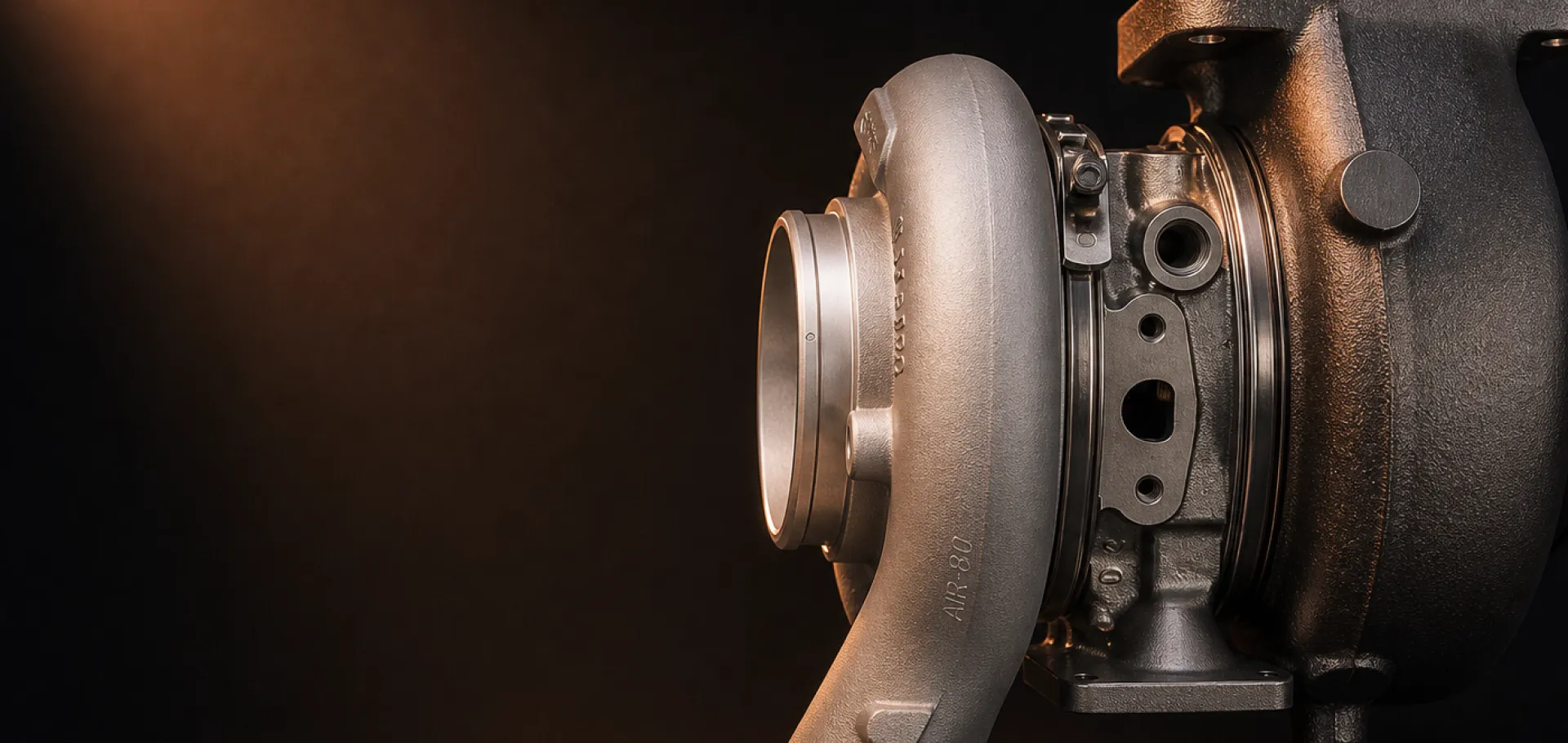
New Replacement Turbochargers for PACCAR MX-13 and PX-9 Diesel Engines
US Perfect Auto stocks brand new turbochargers for PACCAR MX-13 and PX-9 diesel engines — the power behind every Kenworth T680, T880, W990 and Peterbilt 579, 567 on the road today. The MX-13 (12.9L) uses Holset variable geometry turbos that change across emissions tiers. We carry the HE531VE for EPA10, the HE500VG for EPA13, and the HE400VG for EPA17 through EPA21 configurations, including 2022–2024 turbo assemblies. For the PX-9 (8.9L, Cummins ISL9-based), we stock the HE300VG. Every unit ships 100% new, built to OEM-spec, and matched against your engine serial number and emissions tier. No core charge, no guessing. Single units and bulk orders ship from US stock to shops, fleets and distributors across North America.
3767294, 4031052, 2052194PRX, 2117933PRX, 2052194, 2117933, 1831156, 2842125
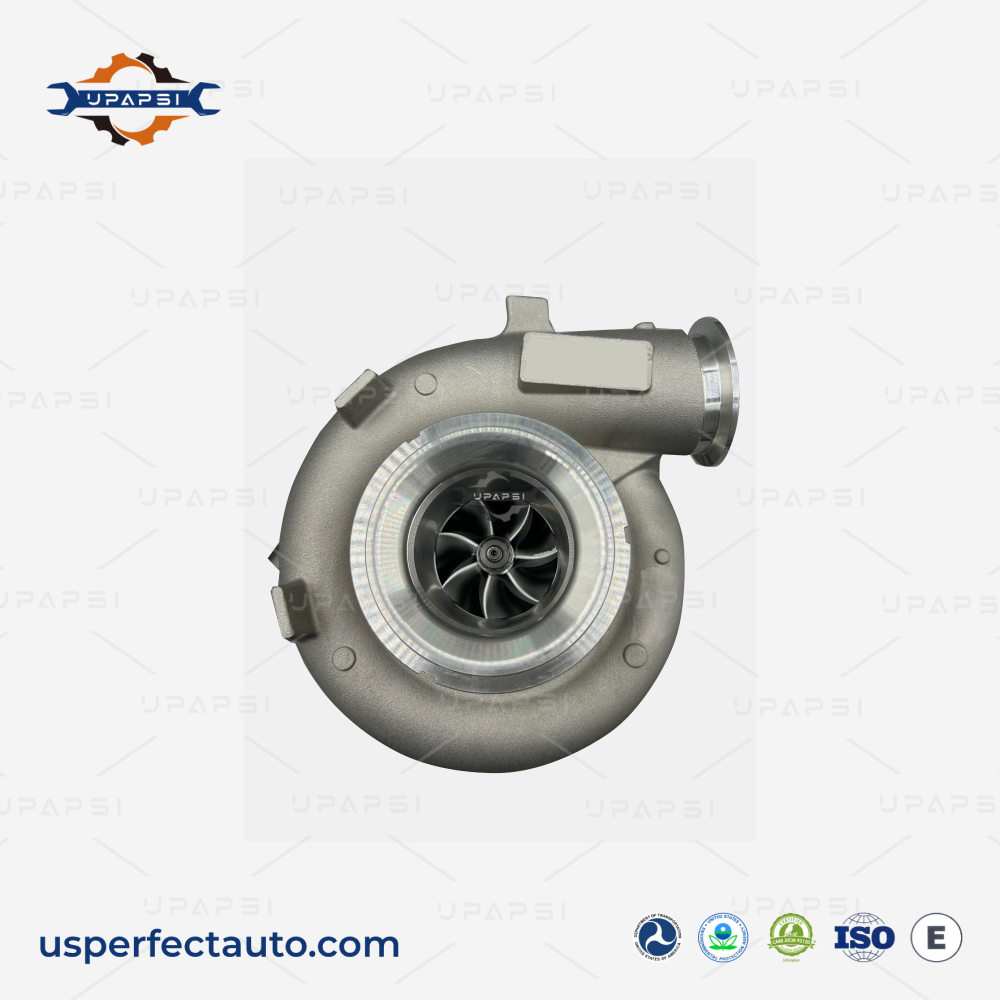
1907281, 1907281PEX, 1907281PRX, 1940999, 1940999PEX, 1973273, 1973273PEX

1700323838, 2128138, 2128139, 2206260, 2301175, 2301175PEX, 2301175PRX, 5457476
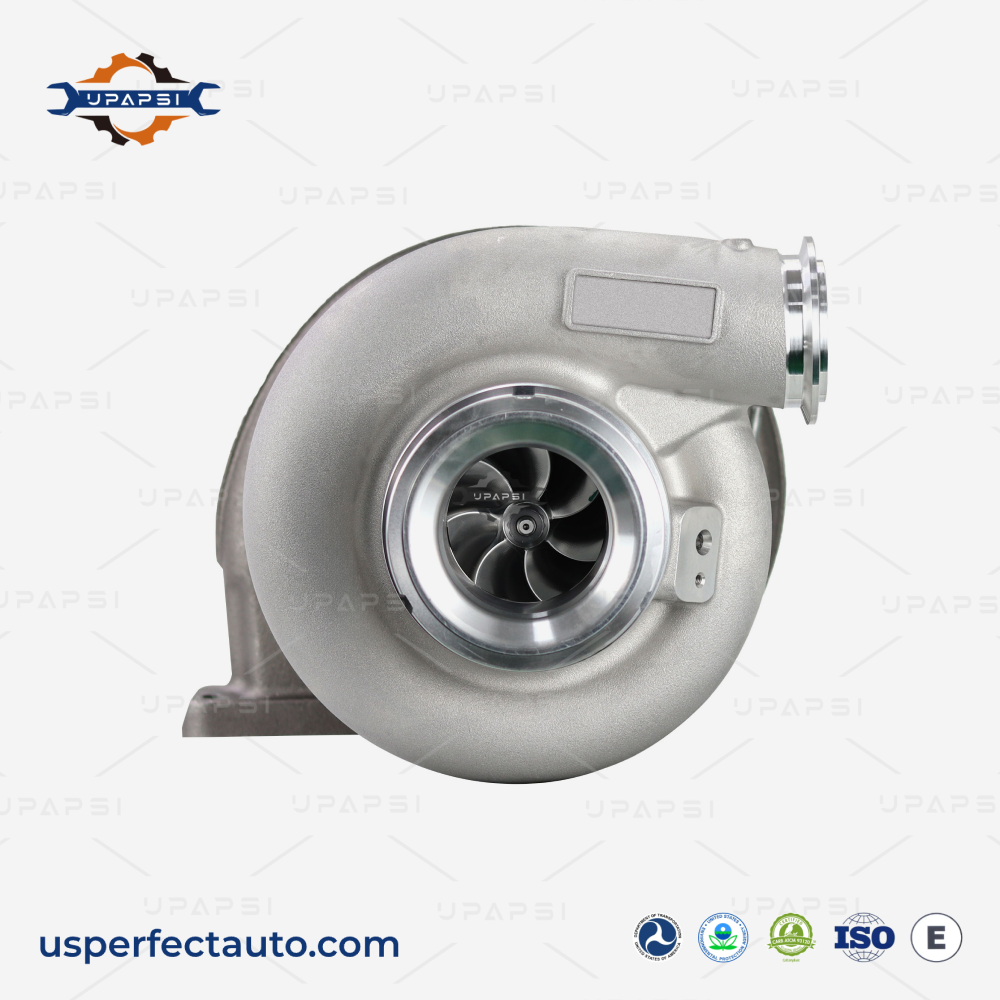
5356676, 2117464, P1705310313, 1705310313
5327342, 3775015, 3790454, 3795999, 3775013, 3775013NX, 3775013RX, 3775023
PACCAR turbos sit at the heart of every Kenworth and Peterbilt on the highway. When one goes down, the clock starts — the truck is off the road, the load is late, and the shop needs the right part fast. The catch is that the MX-13 has used at least four different turbo configurations across its emissions generations, and mixing them up creates boost faults and derate codes that cost more time than the turbo itself. We stock every major MX-13 turbo generation and confirm the match before it ships. Here is how that works.
Every PACCAR turbo we ship is built from all-new components. New center rotating assembly, new compressor and turbine wheels, new VGT vane pack and housing. No core deposit to float, no old turbo to box up and return, no credit to wait on. The part goes on the truck and the paperwork is done. See our warranty and returns policy.
The MX-13 turbo is not one part — it is four or five depending on the year. EPA10 trucks use the HE531VE, EPA13 trucks run the HE500VG, and EPA17 through EPA21 engines moved to the HE400VG with different part numbers per generation. We stock all of them. Each listing is labeled by emissions tier and compatible part numbers, so there is no confusion at the counter.
PACCAR turbo fitment depends on the engine serial number, emissions tier and sometimes the truck build date. An EPA13 HE500VG will not work on an EPA17 engine even though the external dimensions look similar. We cross-check all of this before the order ships. That one step prevents the comeback that costs a shop its time and reputation.
The VGT actuator is the most common failure point on MX-13 turbos. Soot jams the variable vanes, the actuator motor overworks, and the ECM throws fault codes like P0046 and forces a derate. We stock complete turbo-plus-actuator assemblies so the shop installs a single matched unit. For trucks where only the actuator has failed, we carry standalone actuator replacements too.
The PACCAR PX-9 runs a Cummins ISL9 8.9L block with a Holset HE300VG turbo. It powers medium-duty Kenworth and Peterbilt trucks in regional and vocational service. We stock new HE300VG units for this platform with the same fitment verification and pricing structure as our MX-13 turbos.
Every PACCAR turbo ships with a one-year warranty on materials and workmanship. Our US team handles fitment questions, install guidance and claims directly. MX-13 turbo failures often link back to oil contamination, intake leaks or exhaust soot buildup — we walk through the root-cause check before install so the new unit lasts. Details on our warranty and support page.

WHY CHOOSE US
We stock new PACCAR turbos in the US and ship them with the same speed and accuracy whether it is one breakdown unit or a quarterly restock for your shelf. Shops and distributors reorder because the emissions-tier match is verified before it leaves, pricing stays consistent, and there is no core return to manage. More about our company and quality standards.
Start with the engine serial number — it is printed on the engine dataplate on the front gear cover. We also need the emissions tier (EPA10, EPA13, EPA17 or EPA21) and the part number on the current turbo if readable. The MX-13 has gone through at least four turbo configurations, and they are not interchangeable. We verify all three data points before confirming the order to make sure the turbo drops in clean.
We stock turbochargers for the PACCAR MX-13 (12.9L) across all current emissions tiers — HE531VE for EPA10, HE500VG for EPA13, and HE400VG for EPA17 through EPA21, including the 2022–2024 turbo assemblies. We also carry the HE300VG for the PACCAR PX-9 (8.9L Cummins ISL9-based engine). These cover most Kenworth and Peterbilt Class 8 and medium-duty trucks in North American service.
All of our PACCAR turbochargers are 100% brand new with all-new internal components — new CHRA, new wheels, new VGT vane assembly and housing. There is no core charge and nothing to return. Each unit is balanced, tested and built to OEM-spec dimensions, backed by a one-year warranty.
Some configurations ship as a complete turbo-plus-actuator assembly; others ship as the turbo body only. VGT actuator failure is the leading cause of MX-13 turbo replacement, so in many cases it makes sense to replace both together. We also carry standalone VGT actuators for situations where only the actuator has failed. Check the specific product listing or contact our team to confirm what ships with your turbo.
No. The EPA13 HE500VG and the EPA17 HE400VG use different part numbers, different actuator calibrations and in some cases different exhaust housing configurations. Installing a wrong-generation turbo on an MX-13 will cause boost control faults, derate codes (commonly P0046), and potential aftertreatment system damage. Always match the turbo to the exact emissions tier of your engine.
Yes. Most of our buyers are repair shops, fleet maintenance operations and parts distributors across the US and Canada. We handle single-piece and bulk orders with flat pricing and short lead times from US stock. Visit our wholesale page for more.
The PACCAR MX-13 is one of the most common Class 8 engines in North America, powering the Kenworth T680 and Peterbilt 579 — two of the best-selling highway tractors on the continent. The engine uses a Holset variable geometry turbocharger that has evolved with each emissions update. Understanding which turbo belongs to which generation, and what goes wrong, saves time and money when a truck comes in with boost-related codes.
PACCAR launched the MX-13 in 2010 for the North American market. Since then, four major emissions updates have changed the turbo:
| Emissions tier | Model years (approx.) | Turbo model | Key change |
|---|---|---|---|
| EPA10 | 2010–2012 | HE531VE | First-gen MX-13 VGT, large housing |
| EPA13 | 2013–2016 | HE500VG | Revised VGT vane pack, updated actuator |
| EPA17 / GHG17 | 2017–2021 | HE500VG / HE400VG | Transition to HE400VG platform, new actuator cal |
| EPA21 | 2022–2024 | HE400VG | Latest calibration, updated part numbers |
These generations are not cross-compatible. The turbine housing bolt pattern may look identical across tiers, but the VGT vane geometry, actuator software calibration and exhaust flow characteristics differ. Swapping in a wrong-tier turbo will generate immediate ECM fault codes and put the truck into derate.
The MX-13 turbo uses a variable geometry turbine. A set of moveable vanes inside the turbine housing adjusts exhaust gas flow across the turbine wheel. At low RPM, the vanes close to accelerate exhaust velocity and build boost quickly. At high RPM, they open to let exhaust flow freely and prevent overboost. An electronic actuator controls vane position based on real-time commands from the ECM. The same system handles exhaust braking — closing the vanes creates exhaust backpressure that slows the truck without using the service brakes. When the actuator or vanes fail, the truck loses both boost control and exhaust brake function.
The VGT actuator is by far the most common failure point on PACCAR MX-13 engines. The failure pattern is well documented in shop forums and fleet maintenance reports. Exhaust soot gradually builds up around the VGT nozzle ring and vane mechanism. As the deposits thicken, the vanes start to bind. The electronic actuator motor pushes harder to move them, draws excessive current, and eventually burns out its internal gears or motor winding. Trucks that idle heavily, run short-haul routes or have upstream combustion issues (leaking injectors, EGR problems) build soot faster and kill actuators sooner.
Common fault codes tied to MX-13 VGT actuator failure include P0046 (turbo/supercharger boost control solenoid circuit), SPN 641 FMI 7 (VGT actuator mechanical fault), and various turbo boost pressure codes. The truck typically enters a power derate when these faults are active. In some cases, the turbo itself is still mechanically sound but the actuator is dead — a standalone actuator replacement may be sufficient. In other cases, the vanes are physically damaged or the bearings are worn, and the whole assembly needs to go.
Replacing an MX-13 turbo without checking the root cause is a good way to kill the new one too. Before install, a shop should verify the following:
Oil supply: Check for low oil pressure, restricted oil supply lines or contaminated oil. Turbo bearings depend on clean, pressurized oil — a partially blocked supply line will starve the bearing and cause premature failure.
Intake system: Inspect the charge air cooler piping, boots and clamps for leaks. An intake leak downstream of the turbo lets unmetered air in and throws off boost control, making the actuator work harder than it should.
Exhaust leaks: Check the exhaust manifold and turbo mounting gaskets. An exhaust leak before the turbo reduces exhaust energy reaching the turbine, which the ECM compensates for by commanding tighter vane angles — again, extra load on the actuator.
EGR system: A malfunctioning EGR valve or clogged EGR cooler pushes more soot through the turbo and accelerates vane buildup. This is a common upstream cause of repeated VGT actuator failures on MX-13 engines.
Aftertreatment: If the DPF is heavily loaded or the NOx sensors are faulty, the engine may be running suboptimal combustion that generates excess soot — the same soot that clogs the VGT vanes.
The PX-9 is PACCAR's medium-duty engine, based on the Cummins ISL9 8.9L platform. It runs in Kenworth T270/T370/T480 and Peterbilt 325/330/337 medium-duty trucks and refuse vehicles. The turbo is a Holset HE300VG variable geometry unit — the same basic platform used on Cummins ISL applications. Fitment depends on the power rating and emissions spec, so the engine serial number is the safest way to confirm the right turbo.