
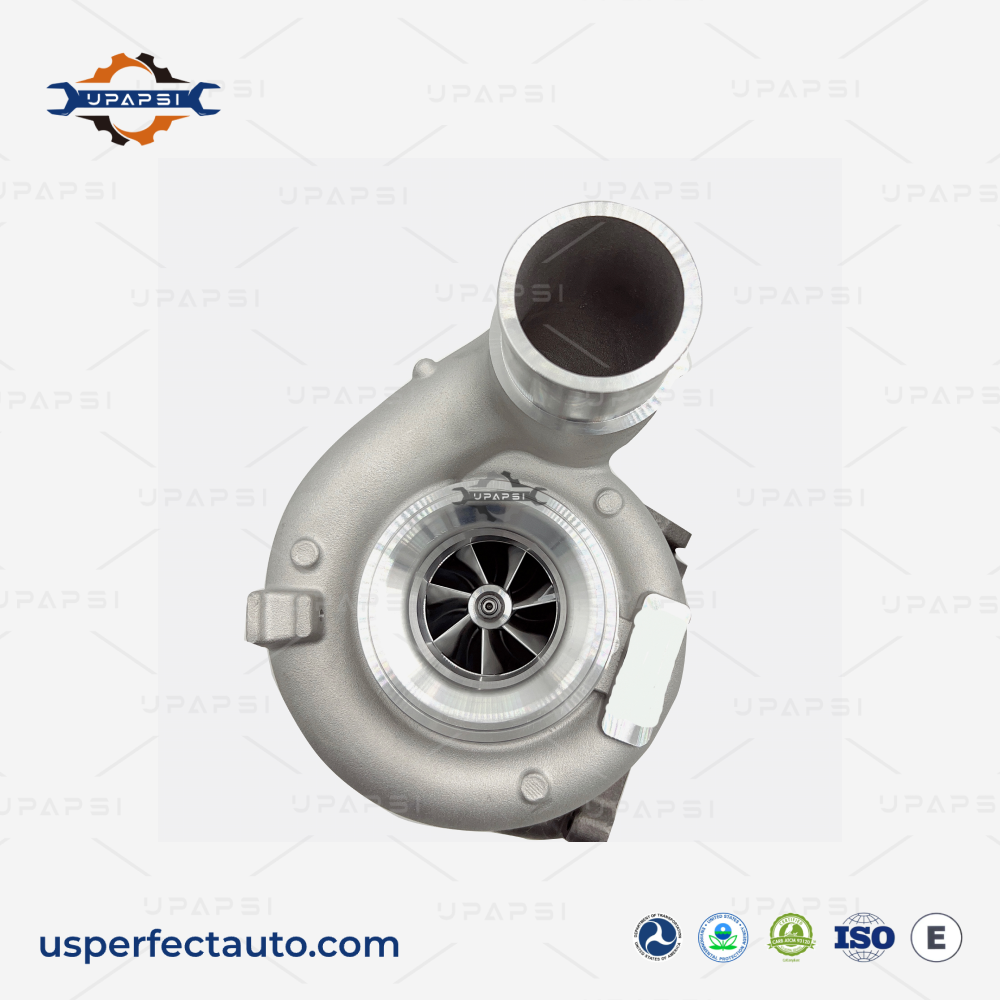
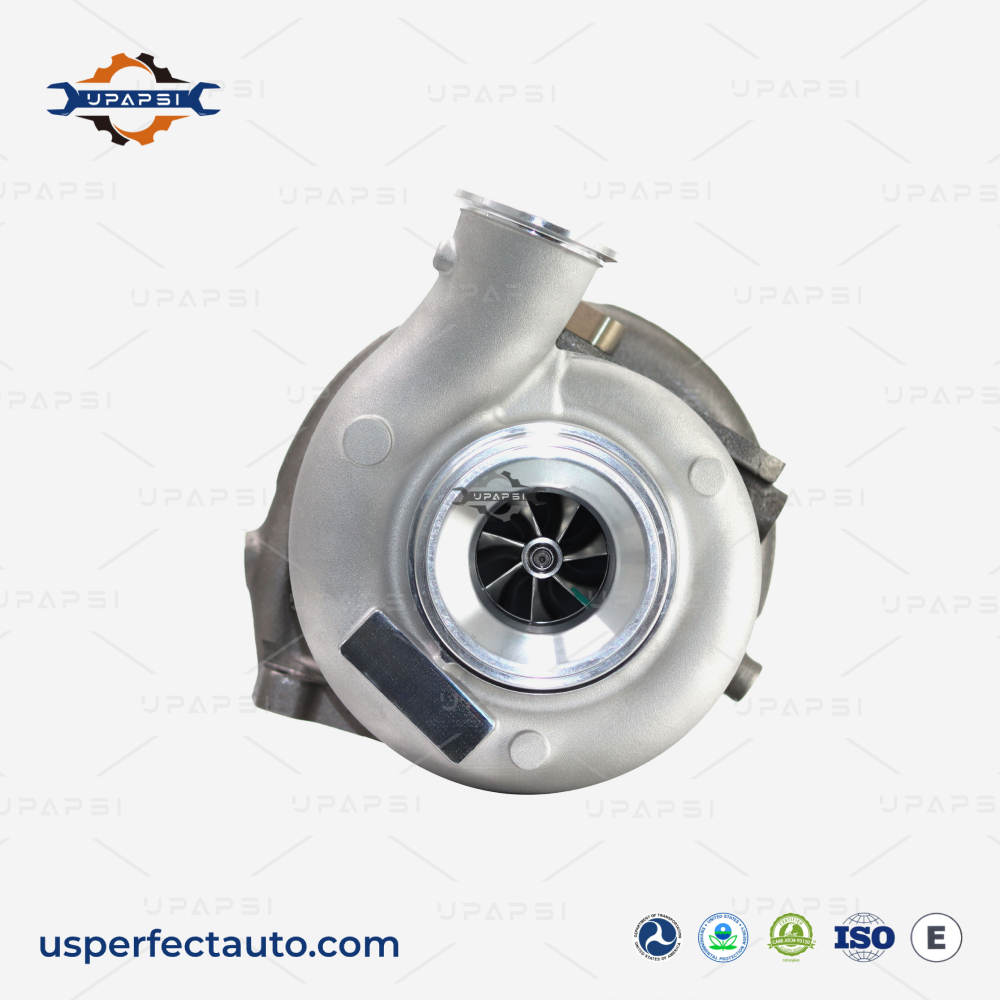
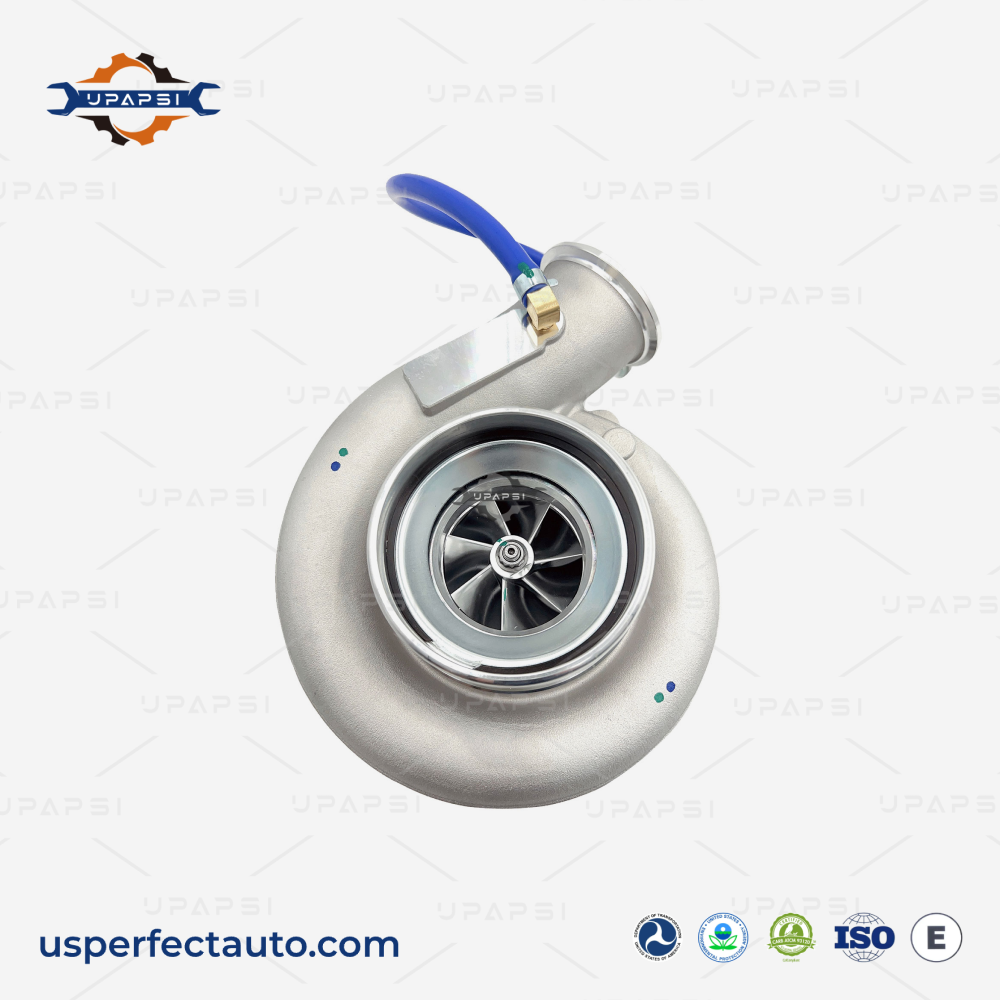
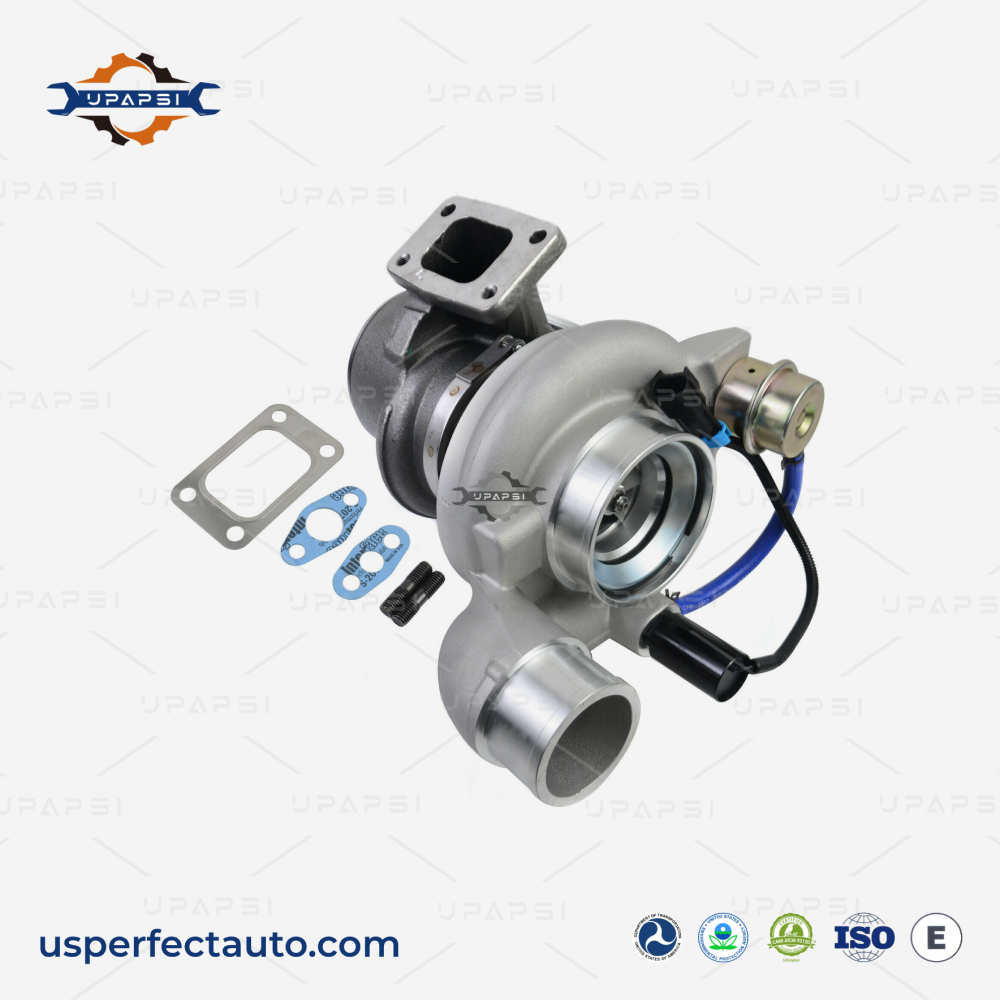
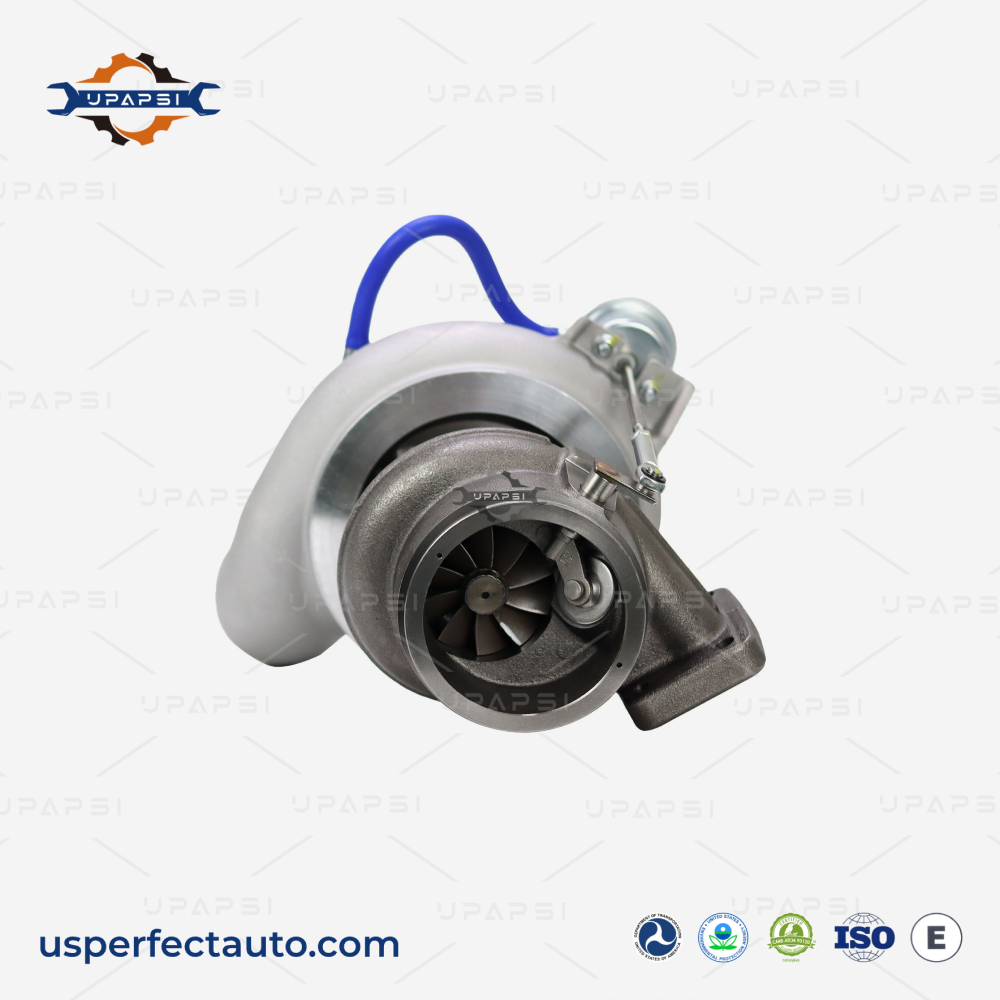
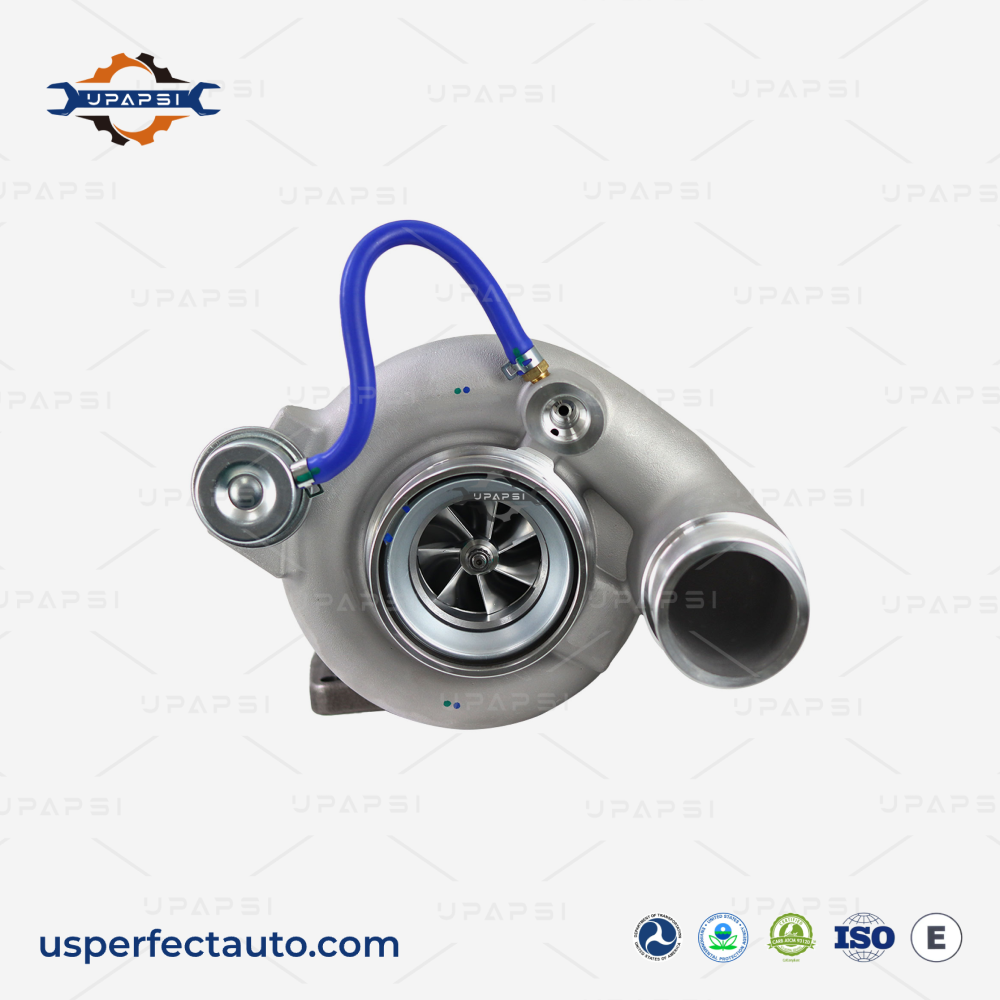
HE351VE 3799833 Turbocharger for 6.7L Dodge Ram Cummins 2007-2012
3770973, 3799833, 2834900, 2834955, 4043137, 2882075, 68002428AA
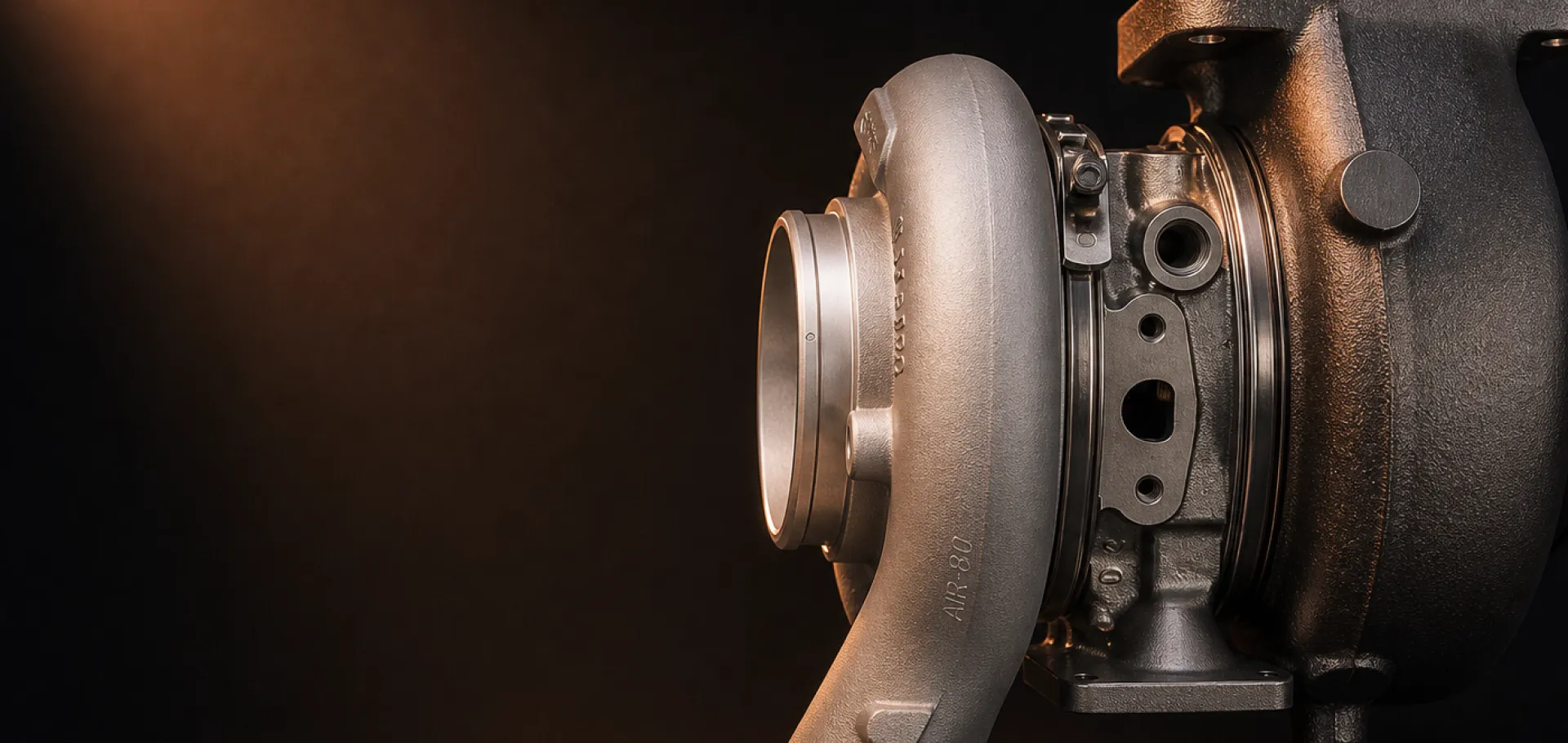
New Replacement Turbos for Ram 2500/3500 — 5.9L and 6.7L Cummins, 1994 to Current
The Cummins-powered Ram is the longest-running diesel pickup platform in America, and the turbo changed with nearly every generation. We stock brand new replacement turbochargers across the full timeline: the HX35W for 1994-1998 12-valve and 1998.5-2002 24-valve trucks, the HE351CW for 2004.5-2007 5.9L common rail, the HE351VE for 2007.5-2012 6.7L, and the HE300VG for 2013-2018 and 2019+ trucks including the 68444771AA. Every unit is new-built to OEM-spec dimensions, balanced, and matched to your truck by year, engine and part number before it ships. We supply diesel shops, fleets and distributors from US stock — and DIY owners who know exactly what they need. Commercial ISB 6.7 and other Cummins truck engines have their own page.
3770973, 3799833, 2834900, 2834955, 4043137, 2882075, 68002428AA
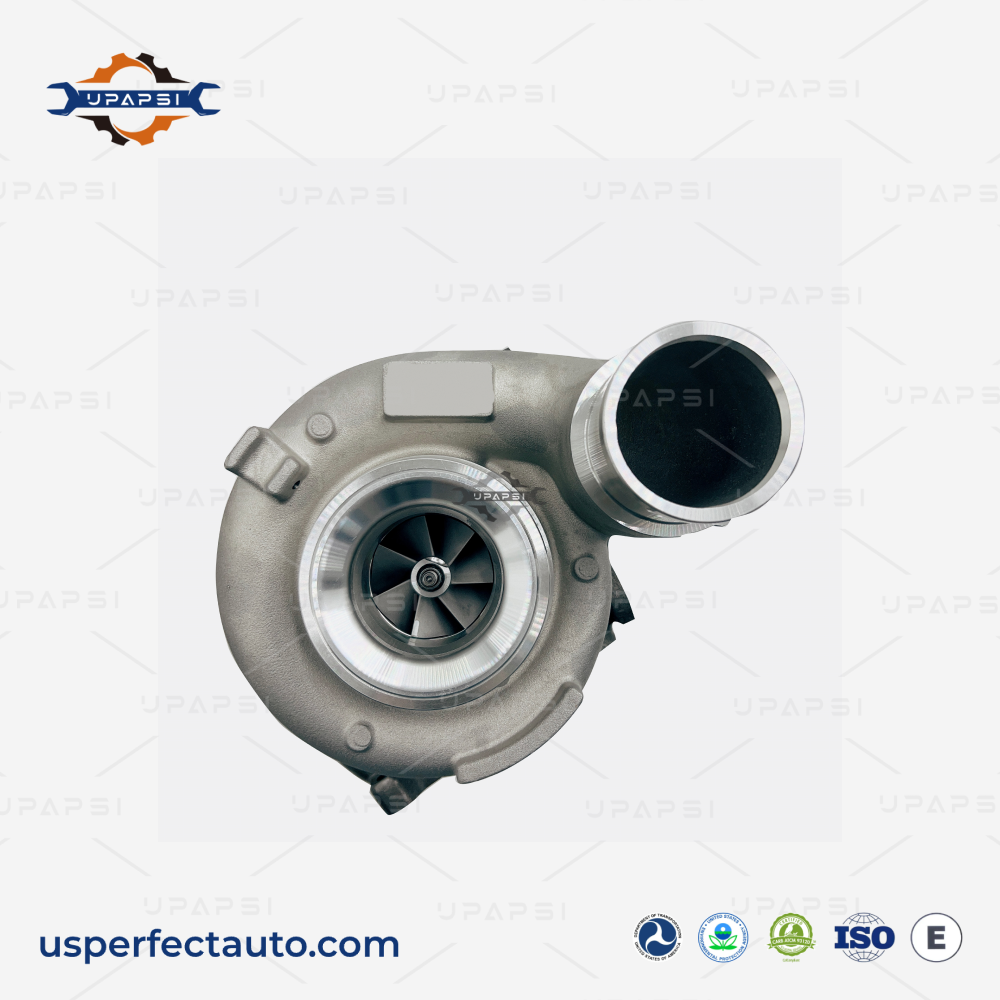
3787604, 5327046, 5326055, 3781632, 3779988, 3791533, 3794755, 3798534, 3798537, 4309355, 68321378AA, 68212739AA, 68253984AA
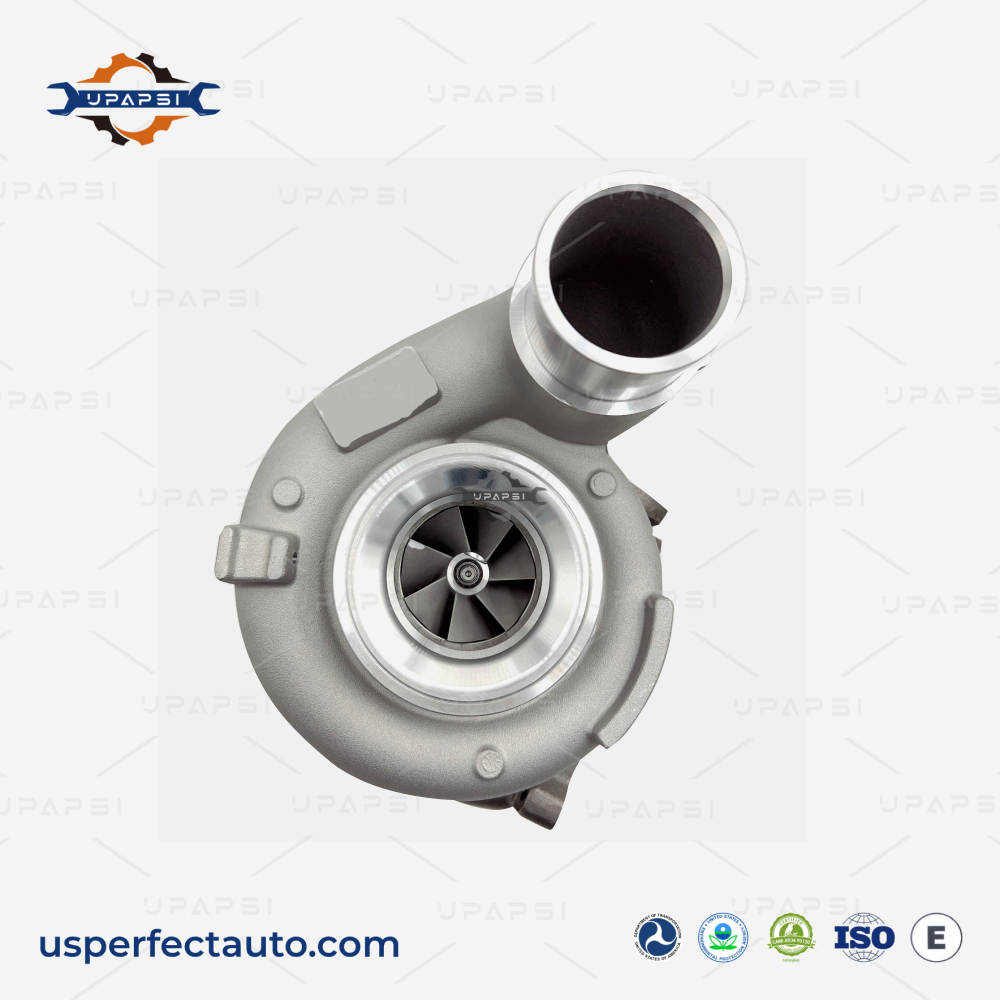
3794756, 3775439, 3779986, 3781633, 3794758, 3798575, 5326054, 5327046
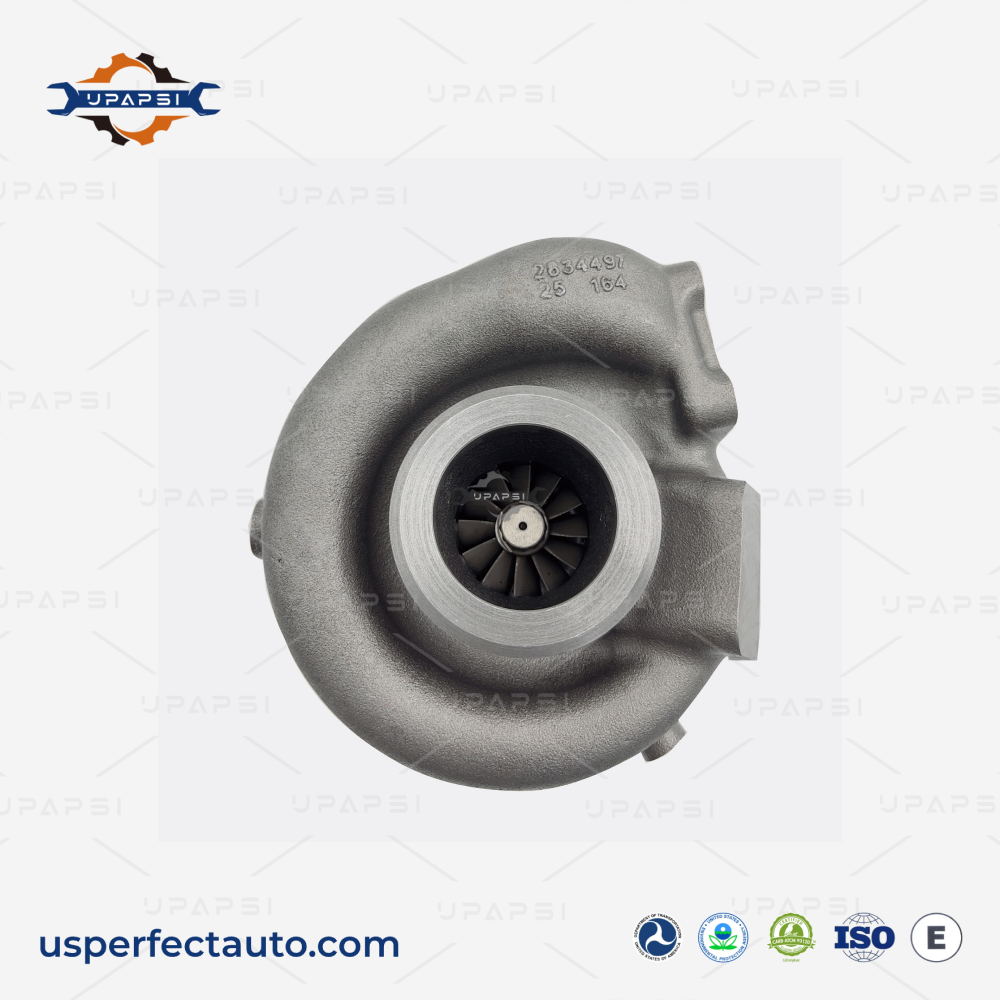
2881701, 2881708, 3771710, 3771664, 3771669, 3771713, 2840714, 3791741, 2837016, 5325938
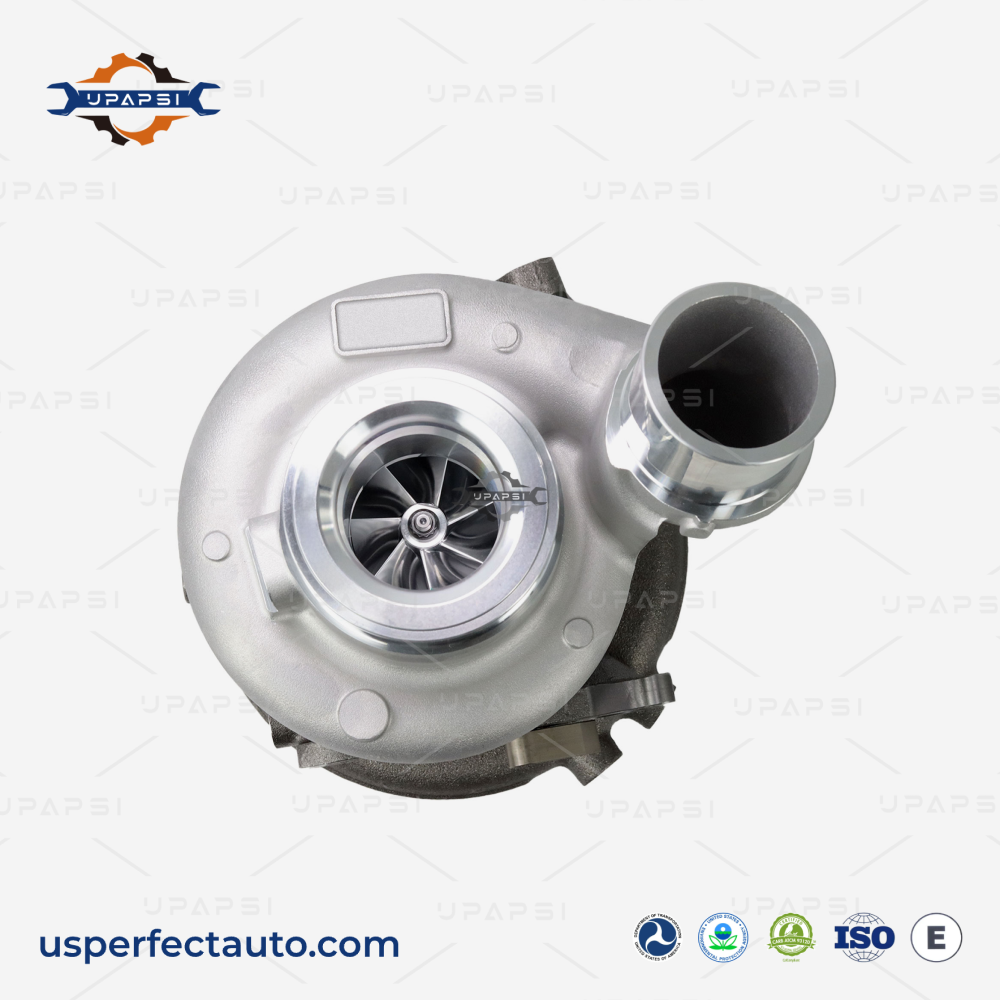
68444771AA, 5498271, 5456364, 5554226, 5640906
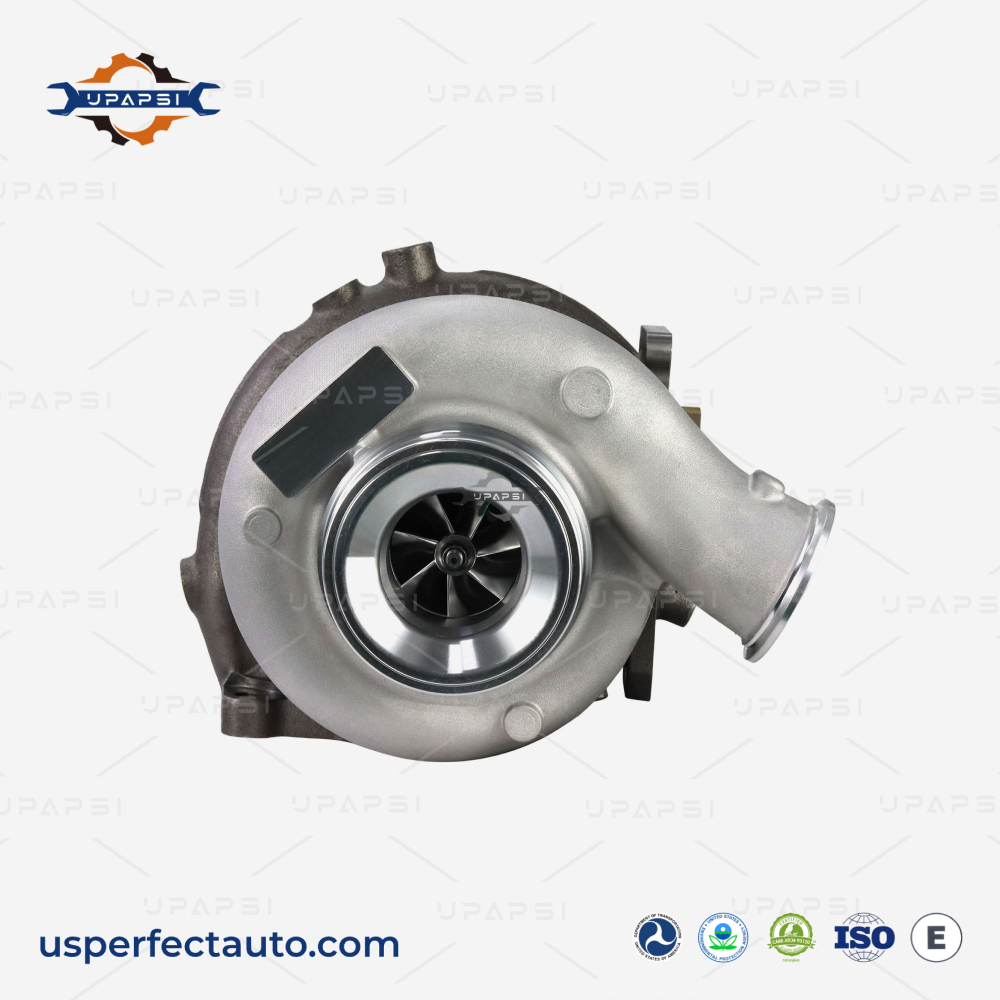
5355647RX, 5604188RX, 6411490RX, 5354495, 5354952, 5354552
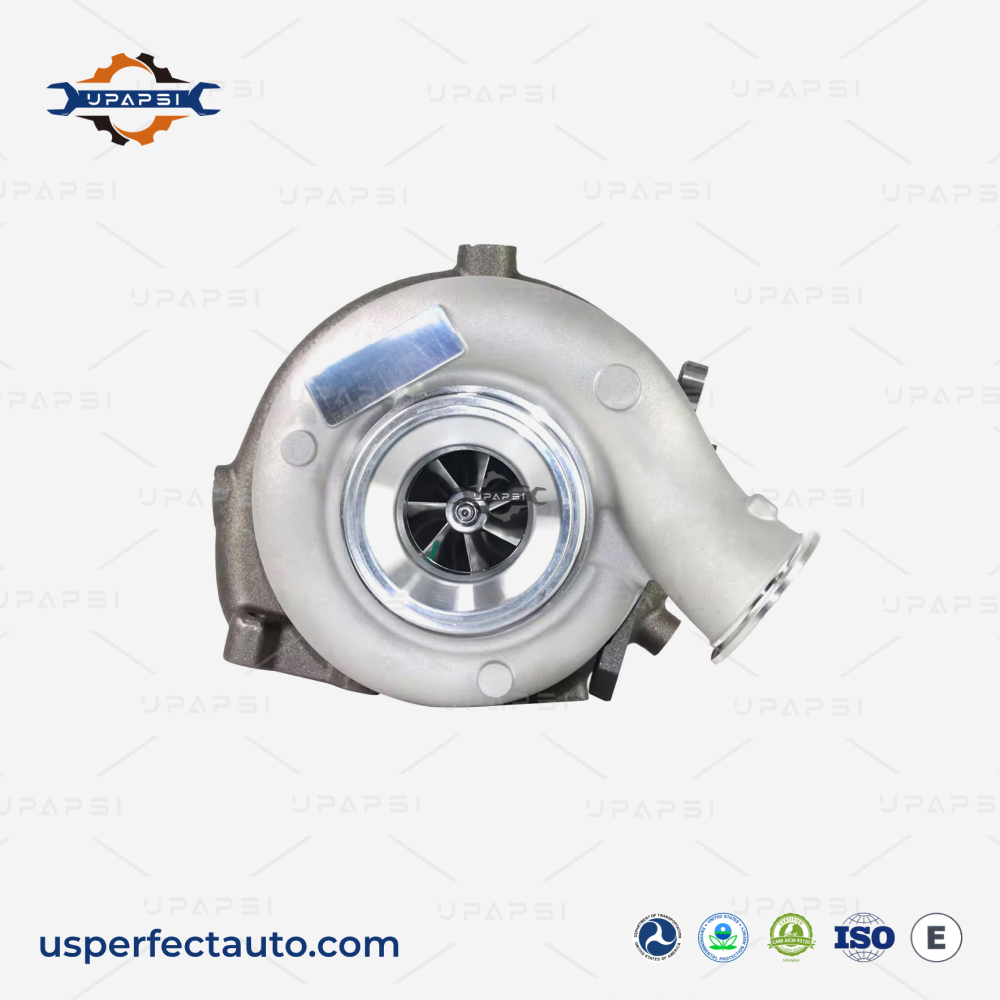
3794429, 3794428, 5327337, 3794430, 3794430NX, 3794430RX, 5327358, 4352343
5354525, 5604155, 5604974, 6410994, 5354471, 5355646, 5355412, 5604175RX
2882112, 2882112NX, 2882112RX, 3769054, 3769055, 3769056, 3769058, 3769059
4043600, 4036835, 4036836, 4037001, 4037002, 4089797, 4089673, 5143256AA
4043600, 4036835, 4037001, 4089797, 4089673, 4037002, 5143256AA
4043600, 4036835, 4037001, 4089797, 4089673, 4037002, 5143256AA
Ram Cummins turbo jobs fail for predictable reasons: the wrong year-split unit gets ordered, the exhaust brake problem gets misread as a turbo problem (or the reverse), or a new turbo goes onto a truck that still has the condition that killed the old one. Our program is set up to get all three right before the part ships.
Every Ram turbo we sell is 100% new — new CHRA, new wheels, new housings. No core deposit tied up in the job and no old unit to crate back. The truck gets a fresh turbo, the shop keeps its margin clean.
One supplier for the whole timeline: HX35W for the 12-valve and early 24-valve trucks, HE351CW for the 2004.5-2007 5.9 common rail, HE351VE for the 2007.5-2012 6.7, and HE300VG for 2013 through current. If a Cummins Ram rolls into the bay, we have its turbo on a US shelf.
From 2007.5 on, the Ram turbo is also the exhaust brake — the VGT vanes close to create backpressure. Soot jams the vanes, the actuator overworks and fails, and you get P2262, P003A and a dead exhaust brake. We deal with this failure pattern daily and can tell you whether you need a turbo, an actuator, or both, before you order.
Ram changed turbos mid-year more than once: the 2004.5 split inside the 5.9 era, the 2007 changeover from 5.9 to 6.7, the 2013 update, the 2019 refresh to the 68444771AA. We match by VIN year and the number on the old turbo dataplate, so the mid-year traps never reach your bench.
Beyond stock units we carry drop-in options for trucks that tow heavy or run hotter tunes — 62mm and 60mm HE351CW variants for the 5.9, and the HX35/HX40 hybrid for 12-valve builds. Same flanges, same plumbing, more headroom.
One-year warranty on every unit, handled by our US team. Before install we walk through the root-cause check — oil supply, charge piping, soot load — because the second turbo dies the same way the first one did if the cause is still there. Details on our warranty page.

WHY CHOOSE US
Ram diesel customers do not wait well. We hold the common Cummins pickup turbos in US stock, confirm fitment by year and part number before dispatch, and pick up the phone when an install question comes up. One truck or a fleet program — same process. More about our company and quality process.
By generation: 1994-1998 12-valve runs the HX35W; 1998.5-2002 24-valve runs the HX35W/HY35W; 2004.5-2007 5.9L common rail runs the HE351CW; 2007.5-2012 6.7L runs the HE351VE; 2013-2018 runs the HE300VG; 2019+ runs the HE300VG 68444771AA. Confirm against the part number on your old turbo's dataplate — mid-year changes exist, and the dataplate beats the model year.
No. The 5.9 platforms run fixed-geometry or HE351CW-style turbos, while every 6.7 runs an electronically actuated VGT that also works as the exhaust brake. Different mounting, plumbing and controls — there is no cross-fit between the two engines.
On 2007.5+ trucks the exhaust brake is the turbo: the VGT vanes close to build backpressure. A weak or dead exhaust brake almost always means soot has jammed the vane mechanism or the actuator is failing. Left alone it progresses to boost codes and a derate. It is the single most common reason a 6.7 Ram needs a turbo.
P2262 means commanded boost is not being reached; P003A means the boost control position is out of range. Both point at the VGT system — stuck vanes, a failing actuator, or both. Diagnose which component failed before ordering; we can help you read the symptoms.
All units are 100% brand new with all-new internals — no rebuilt cores, no core charge, nothing to return. Balanced, built to OEM-spec dimensions, one-year warranty.
Yes. Diesel repair shops, fleets and parts distributors are our core business, with consistent wholesale pricing from single units to pallet orders, all from US inventory. See the wholesale page.
Every Cummins Ram generation has its own turbo story, and knowing where your truck sits in the timeline is most of the battle when ordering. Here is the full map, including the mid-year splits that catch people out.
The second-generation Ram ran the mechanical 12-valve 5.9 through 1998, then switched to the 24-valve ISB. Both use the Holset HX35W — a simple, wastegated, fixed-geometry turbo with a deserved reputation for outliving the truck around it. Failures at this age are mostly worn bearings, shaft play and tired seals. For owners pushing more fuel, the HX35/HX40 hybrid bolts to the same manifold and downpipe with a larger compressor side.
The 600-series 5.9 common rail brought the HE351CW — still wastegated, but with a lighter rotating assembly that spools noticeably faster than the HX35W. We stock the standard unit plus 62mm and 60mm drop-in variants for trucks that tow heavy or run added fuel. This is the last non-VGT turbo on the platform, which is exactly why the 5.9 common rail trucks remain so popular with tuners.
The 6.7L launch brought the Holset HE351VE, the first variable geometry turbo on a Ram pickup, with an electronic actuator and the integrated exhaust brake drivers love. It also brought the failure pattern that defines these trucks: soot packs the sliding nozzle ring, vanes stick, the actuator burns out. Trucks that idle a lot or do short trips fail soonest.
The 2013 update moved to the smaller, faster HE300VG, and the 2019 refresh brought an updated HE300VG under part number 68444771AA. Same family, different calibrations — a 2015 unit does not belong on a 2020 truck. Both keep the VGT exhaust brake and the same soot sensitivity, so the diagnosis playbook carries over from the HE351VE era.
| Model years | Engine | Turbo | Type |
|---|---|---|---|
| 1994-1998 | 5.9L 12V | HX35W | Wastegated |
| 1998.5-2002 | 5.9L 24V | HX35W / HY35W | Wastegated |
| 2004.5-2007 | 5.9L CR | HE351CW | Wastegated |
| 2007.5-2012 | 6.7L | HE351VE | Electronic VGT |
| 2013-2018 | 6.7L | HE300VG | Electronic VGT |
| 2019+ | 6.7L | HE300VG 68444771AA | Electronic VGT |
Mid-year splits matter — always verify against the number on the old turbo before ordering.
A new turbo dies fast on a truck that still has the original problem. Three checks take twenty minutes: inspect the charge-air system for oil and cracked boots, confirm oil pressure and condition at the turbo feed, and on VGT trucks look at the soot picture — EGR health, duty cycle, any history of sticking vanes. Prime the new turbo with clean oil before first start and let it idle several minutes. That routine is the difference between a one-year part and a five-year part.