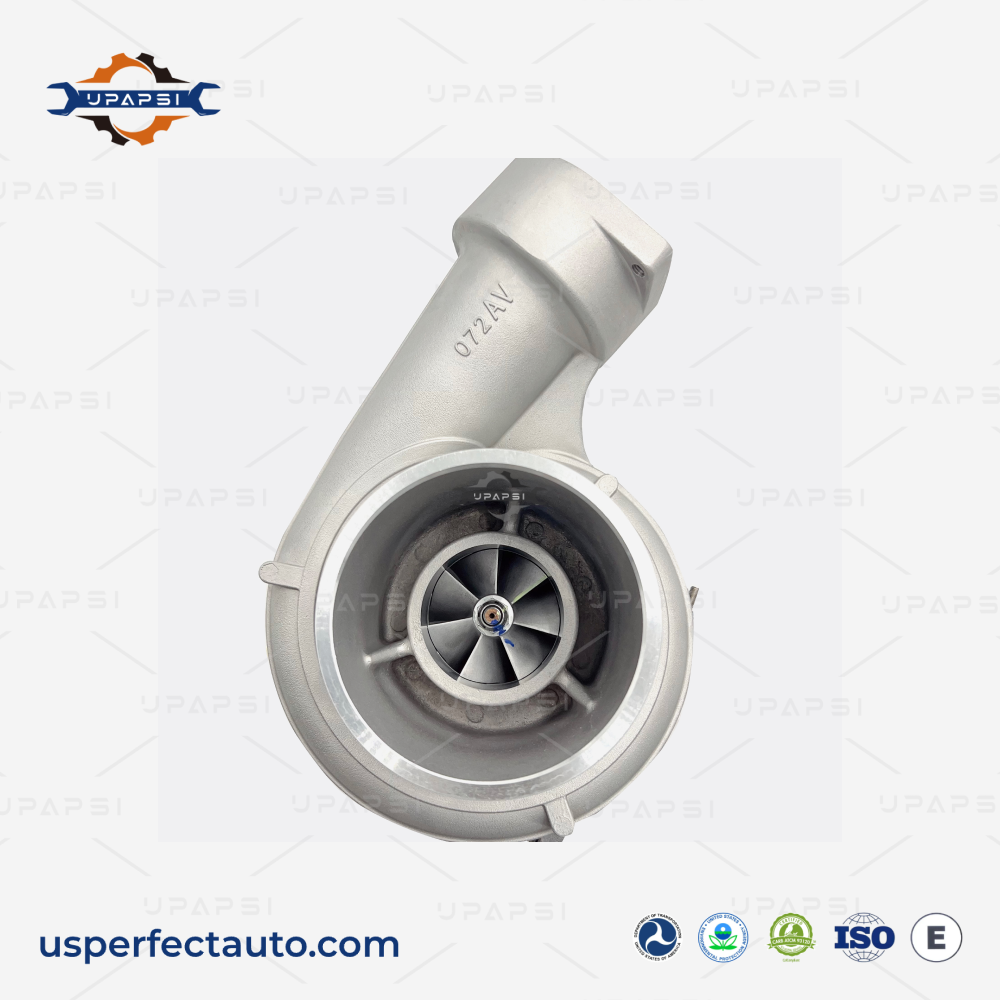






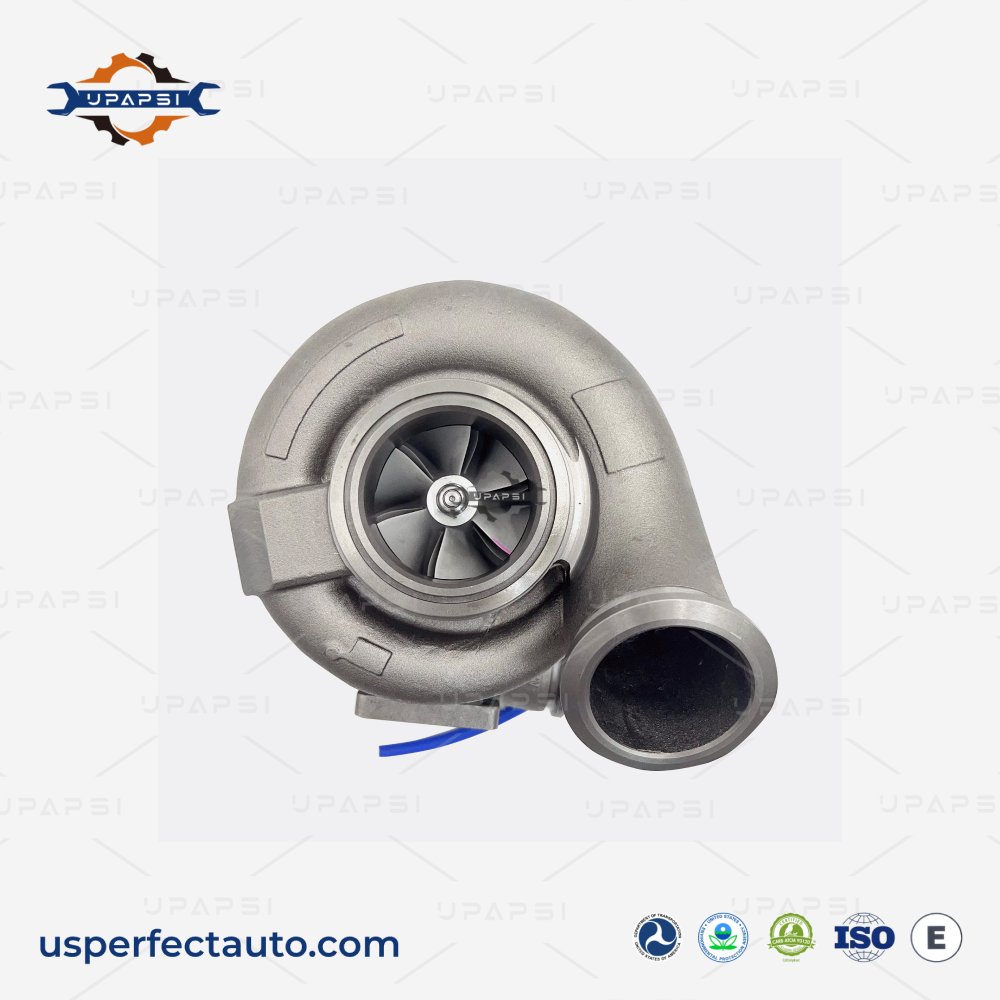
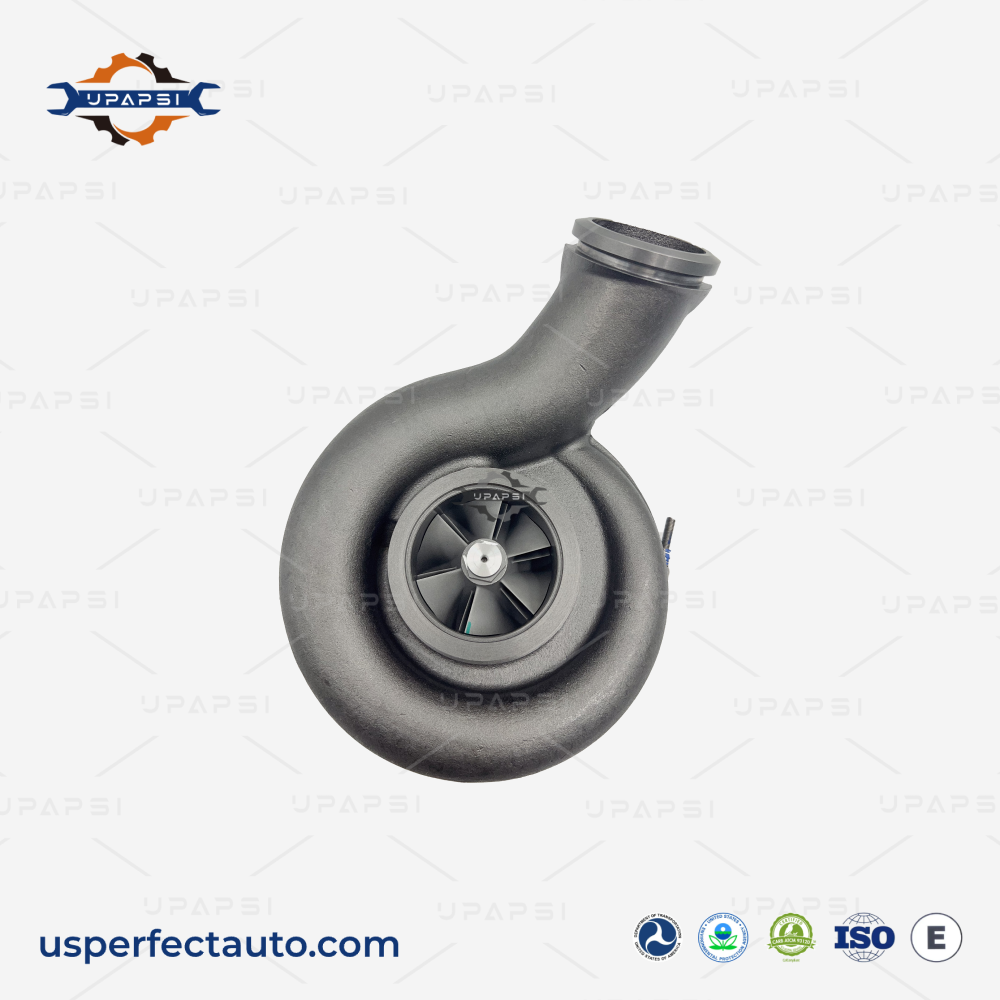
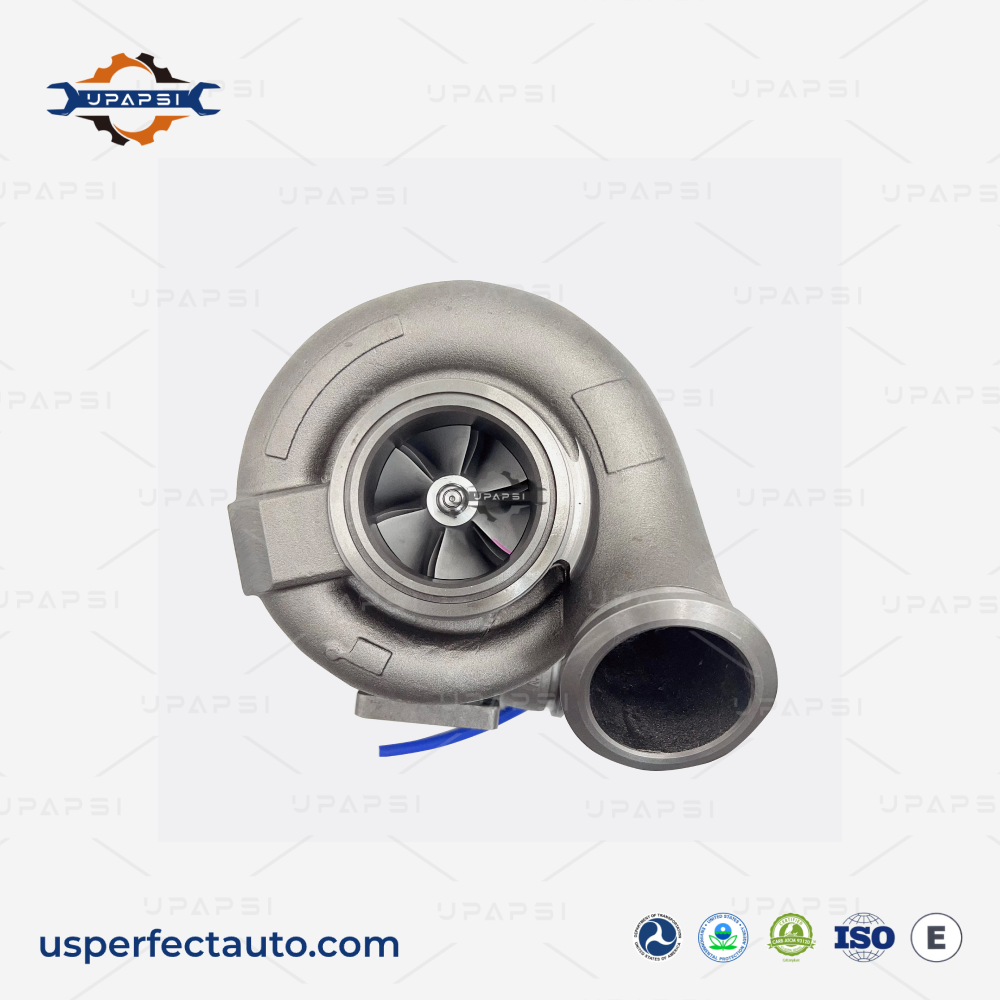
GTA4702B 10R2862 Low Pressure Turbocharger for Caterpillar C13 Acert
The GTA4702B is the low-pressure turbocharger in the Caterpillar C13 Acert compound turbo system. In the C13's two-stage layout, the larger low-pressure GTA4702B sits at the high mount position and handles airflow at mid-to-high RPM, while the smaller high-pressure GTA4088S spools quickly off idle. The two work in series — exhaust drives the high-pressure unit first, then passes through the low-pressure stage before exiting. This turbo fits industrial and on-highway C13 Acert 12.5L engines from 2005 onward, including Kenworth and Peterbilt trucks running the C13. It is a non-wastegate design, oil-cooled, with a 102 mm compressor exducer and 93 mm turbine inducer. Our GTA4702B is built new with 100% new components, dynamically balanced, and we verify the part number against your engine serial before shipping. We supply repair shops, fleet operators, and distributors — single units or bulk orders.
Turbo Model
GTA4702B (low pressure)
OEM / Interchange Numbers
10R2862, 10R8733, 10R-8733, 239-4020, 239-5652, 752538-0009, 751211-0002
Application
2005– Caterpillar industrial CAT C13 Acert Low Pressure (Kenworth, Peterbilt trucks with C13)
Service & Support
- 1-Year Unlimited-Mileage Warranty
- US Stock, Fast Dispatch
- Bulk Orders Welcome
- White-Label Support
- Fully Certified
Your Source for Quality Diesel Engine Parts
FAQ
The GTA4702B is a turbocharger designed for the Caterpillar C13 Acert 12.5L diesel engine, used from 2005 onward. It fits industrial C13s as well as on-highway trucks from Kenworth and Peterbilt that run the C13. Common OEM numbers include 10R2862, 10R8733, 752538-0009, and 751211-0002.
It is the low-pressure turbo — the larger unit mounted at the high position in the C13's compound (two-stage) system. The smaller high-pressure turbo closest to the exhaust manifold is the GTA4088S. Some sellers mix up the labeling, so always cross-check by OEM part number before ordering.
The GTA4088S high-pressure turbo (OEM 10R2027, 743279-5004S). The two run in series — exhaust hits the GTA4088S first, then the GTA4702B. We carry both and can supply them separately or as a pair.
Not necessarily. If only the low-pressure side failed and the high-pressure turbo checks out fine, replacing the GTA4702B alone is perfectly acceptable. When the engine has high mileage (400k+ miles), many shops do both since the wear rate is comparable. We can help you decide based on your specific situation.
Typical signs of a failing low-pressure turbo include power loss at cruising speed, elevated EGT under load, black smoke on pulls or grades, and oil at the drain or charge-air connections. Check for shaft play — more than about 1 mm of lateral movement or any axial drag means the bearings are done. A boost pressure test at the crossover between stages can confirm which turbo is underperforming.
Yes — brand new, built with 100% new components, dynamically balanced and inspected before dispatch. No core charge and nothing to return. Covered by a one-year unlimited-mileage warranty.
Yes. We stock GTA4702B turbos in the US and supply repair shops, fleet operators, engine rebuilders, and distributors with single units or volume orders. Pricing is structured for resale.
GTA4702B Low Pressure Turbo: Understanding the C13 Acert Compound System
The C13 Acert uses a compound (series) turbo arrangement. Getting the right replacement means knowing which side failed and what each turbo does. The GTA4702B is the low-pressure unit — the larger turbo mounted at the high position.
How the compound system is laid out
Exhaust gas leaves the C13 manifold and enters the smaller high-pressure turbo first (the GTA4088S). That stage builds boost quickly at low RPM. The exhaust then flows into the GTA4702B low-pressure turbine, which extracts remaining energy to supply additional airflow at higher engine speeds. On the intake side, fresh air enters the GTA4702B compressor first, gets partially compressed, and then feeds into the GTA4088S compressor for final compression before entering the engine. This staged arrangement gives the C13 broad boost coverage — fast spool-up with strong top-end breathing — which is why it holds rated power across a wide operating range.
GTA4702B vs GTA4088S — which one do you need?
A common source of confusion: some suppliers mislabel these two. Here is the breakdown for the C13 Acert:
| Detail | GTA4702B (this page) | GTA4088S |
|---|---|---|
| Position | Low pressure, high mount | High pressure, close to manifold |
| Size | Larger — ~102 mm compressor | Smaller |
| Wastegate | No | No |
| Key OEM # | 10R2862, 752538-0009 | 10R2027, 743279-5004S |
| Spools at | Mid-to-high RPM | Low RPM |
If you pulled an engine code or noticed low boost at highway speed with normal low-end response, the low-pressure side is the more likely culprit. If the engine is sluggish off idle and smokes at low RPM, check the high-pressure turbo first.
Symptoms that point to a failing low-pressure turbo
The low-pressure GTA4702B handles the bulk of airflow once the engine is loaded. When it starts to go, you may see:
- Loss of power at cruising or highway speeds while low-end feels normal
- Higher exhaust gas temperatures (EGT) under load
- Excessive black smoke during pulls or uphill grades
- Oil weeping from the turbo drain or at the charge-air tube connections
- Turbo shaft play — if you can rock the compressor wheel more than about 1 mm laterally or feel any axial drag, the bearings are worn
A boost pressure test at the crossover between the two stages can isolate which turbo is underperforming. Low-side readings that fall short of spec with normal high-side numbers confirm the GTA4702B needs attention.
Replacing one turbo or both
If only the low-pressure side failed, you can replace the GTA4702B alone. That said, when the engine has 400,000+ miles, many shops replace the pair at the same time. The high-pressure GTA4088S runs at higher shaft speeds and tends to wear at a similar rate. We supply both individually or as a matched set — contact us to discuss what makes sense for the mileage and application.
Installation notes for the low-pressure side
Before bolting on the new GTA4702B:
- Inspect the oil feed line for restrictions and the drain line for kinks or carbon buildup. A restricted drain is one of the top reasons a new turbo fails early.
- Check the crossover plumbing between the two stages for cracks, loose clamps, or debris. Any boost leak between stages kills system efficiency.
- Prime the new turbo with clean engine oil through the oil inlet before starting. Crank the engine without fuel for 15–20 seconds to build oil pressure at the bearing.
- Replace all gaskets at the turbo flanges and the oil lines. Reusing old gaskets on a new turbo is a false economy.
- After startup, let the engine idle for 3–5 minutes before loading it. The bearing needs time to seat and build a stable oil film.
Sorting the root cause of the old failure first — whether it was oil starvation, foreign object damage, or simple wear — protects the new turbo and keeps the warranty valid. See our quality process for how each turbo is inspected and balanced before dispatch.
Related Products
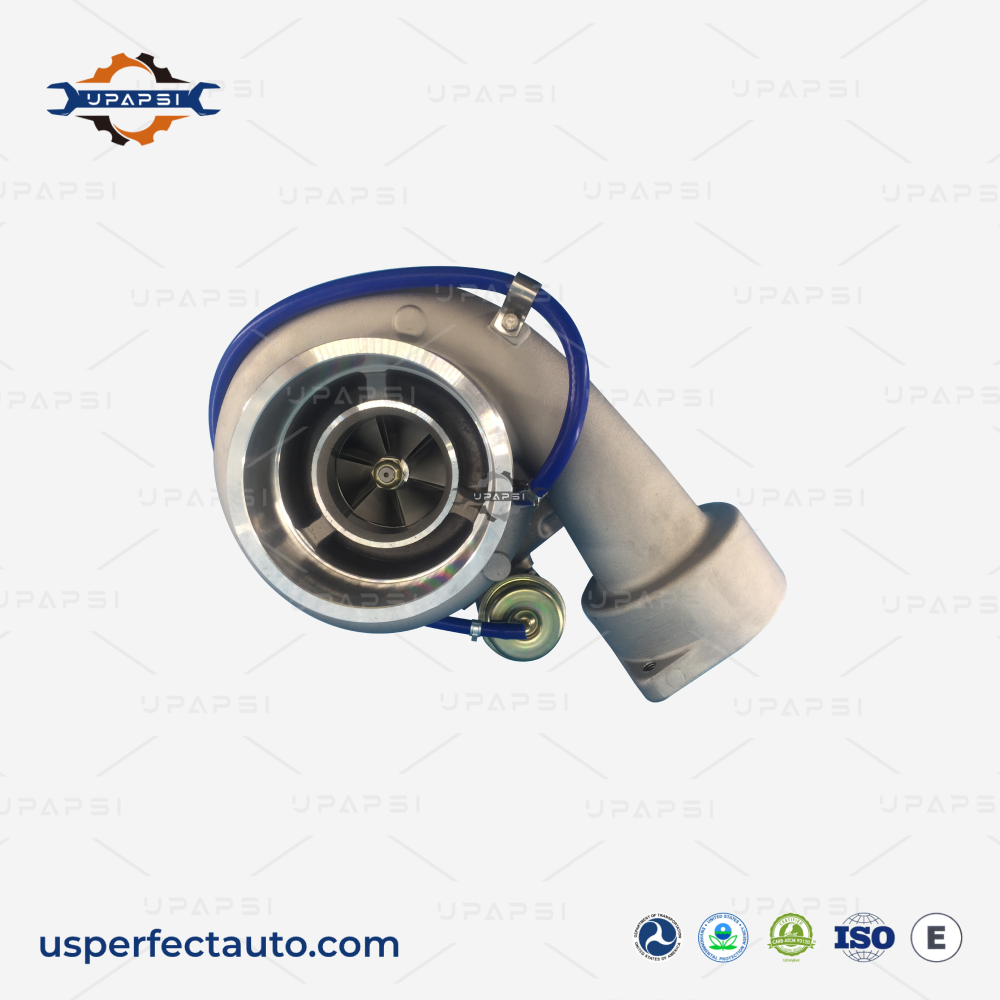
GT5008BS 0R7924 Turbocharger for Caterpillar 3406B 15.8L
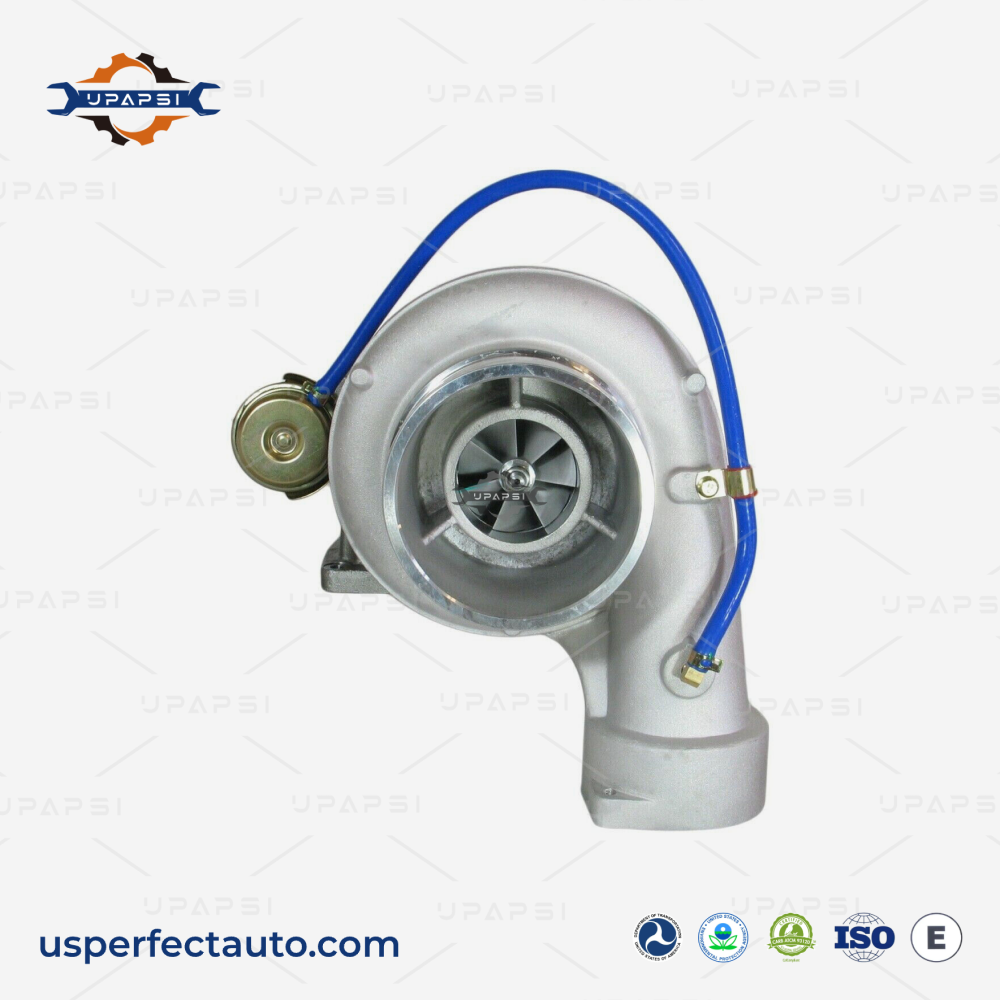
S410G 177148 Turbocharger for Caterpillar 3406E C15 C16 14.64L
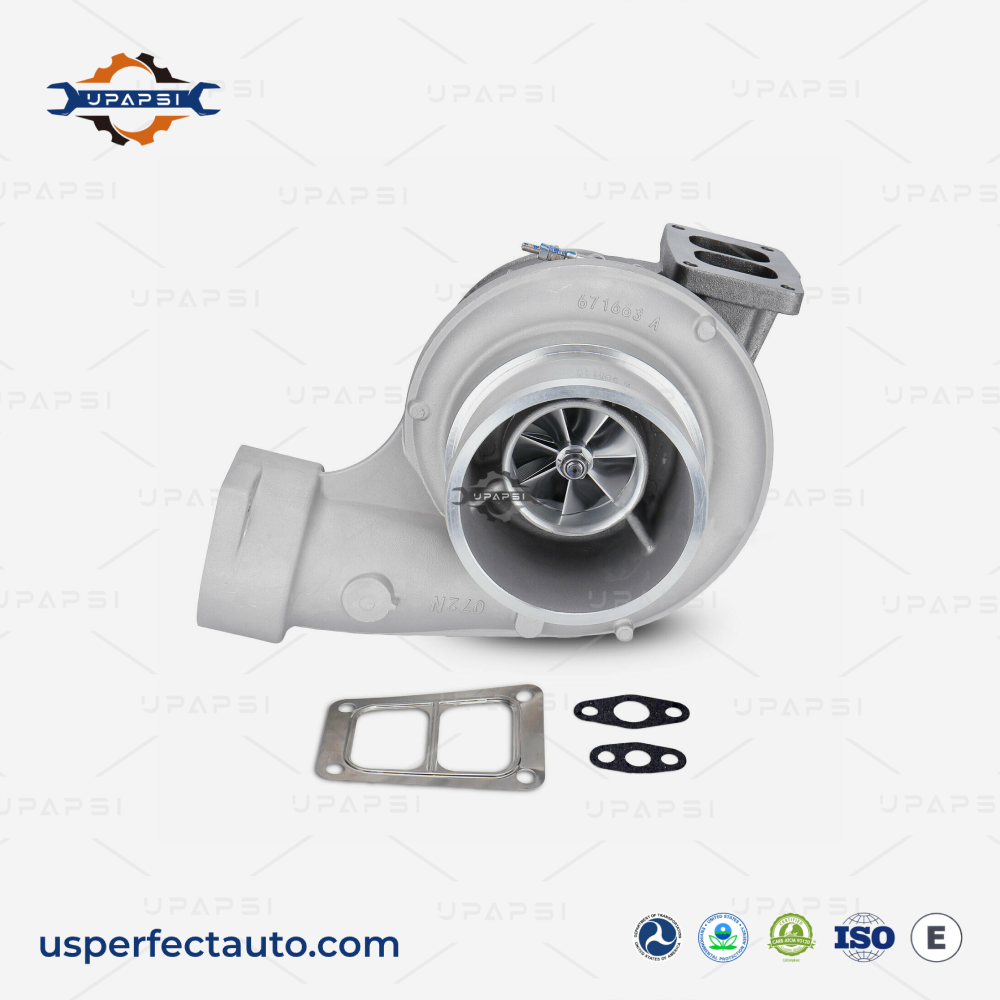
S410SX S478 78mm Turbocharger for Caterpillar 3406B C15 C16
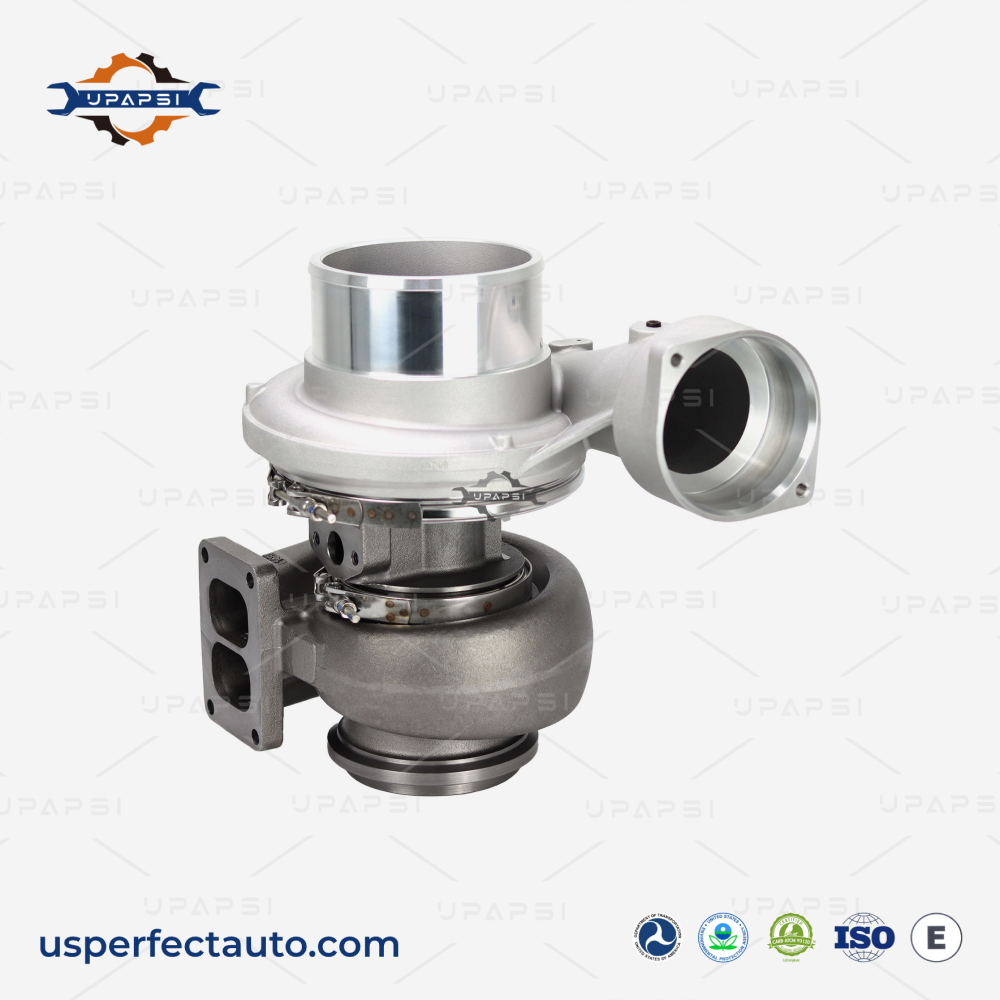
S410SX Turbocharger for Caterpillar 3406B 3406C C15 C16
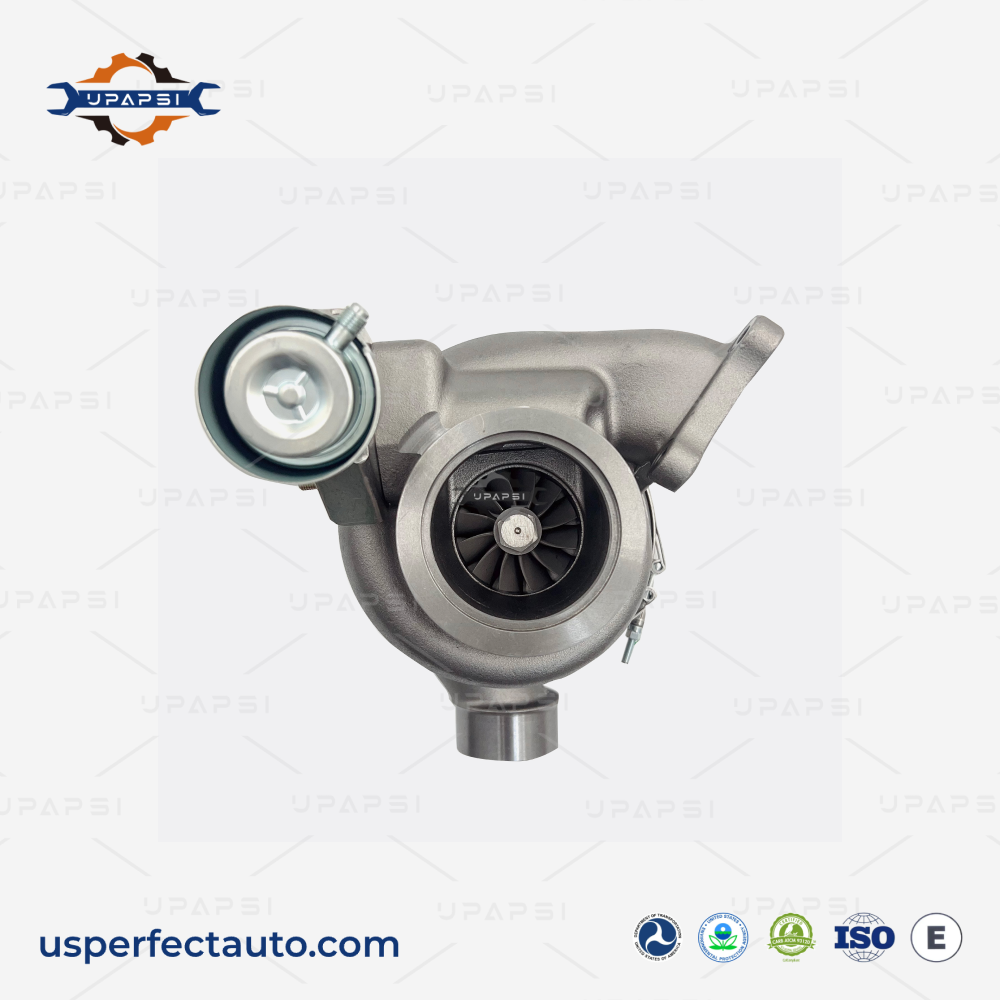
GTA4294BS 10R2407 High Pressure Turbocharger for Caterpillar C15 Acert
S410G 178731 Turbocharger for Caterpillar 3406 Engine 1980-2013