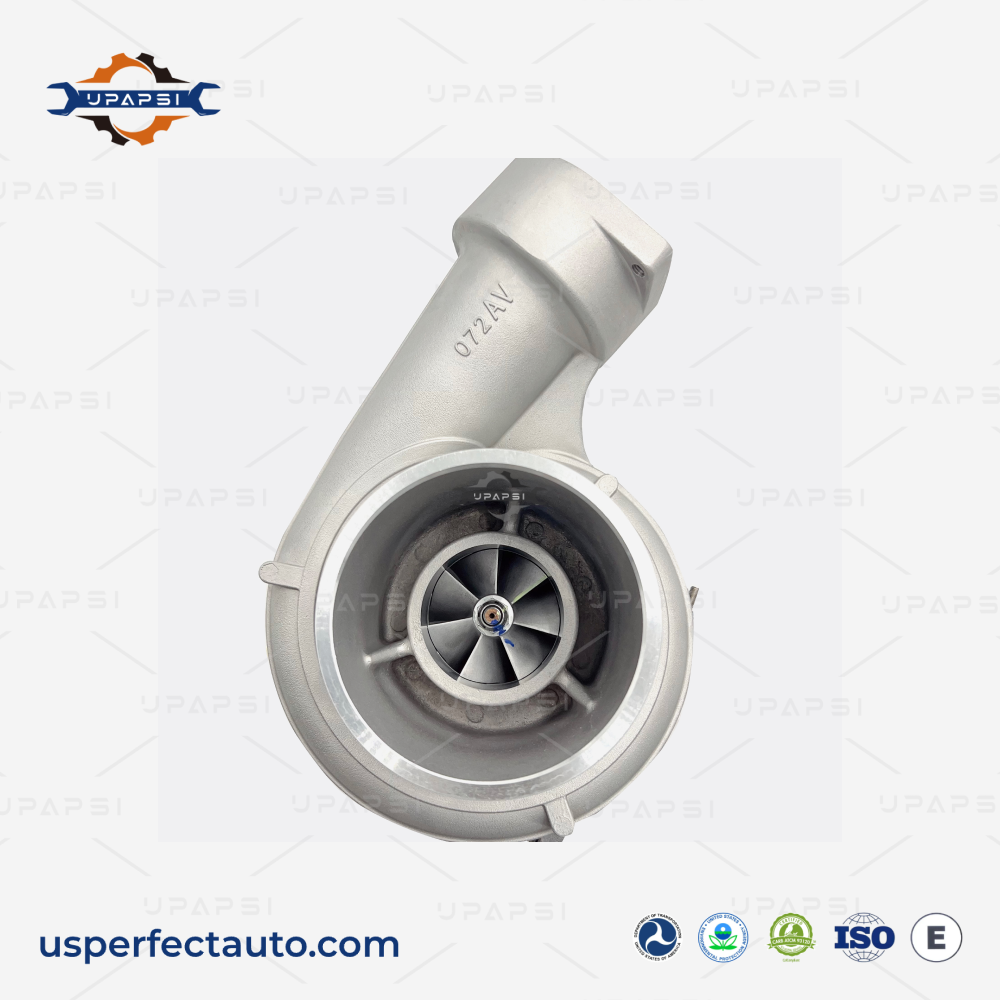






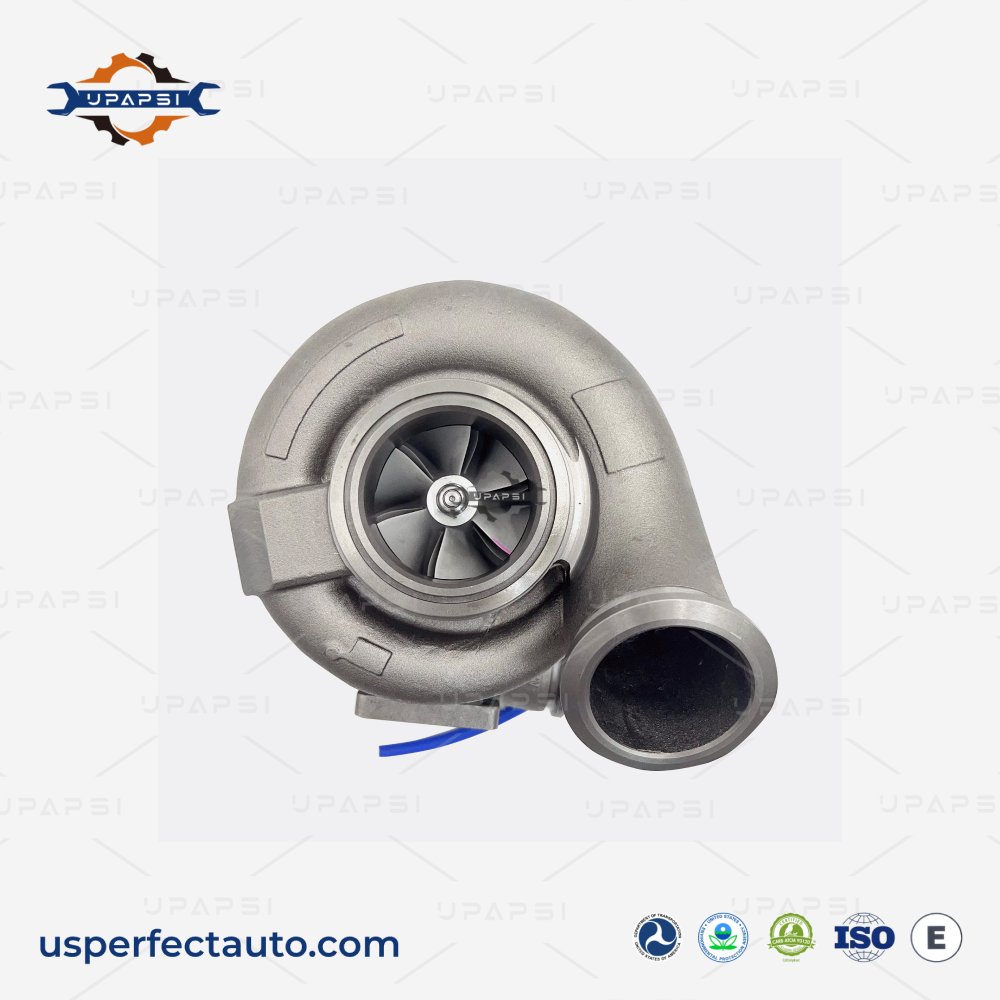
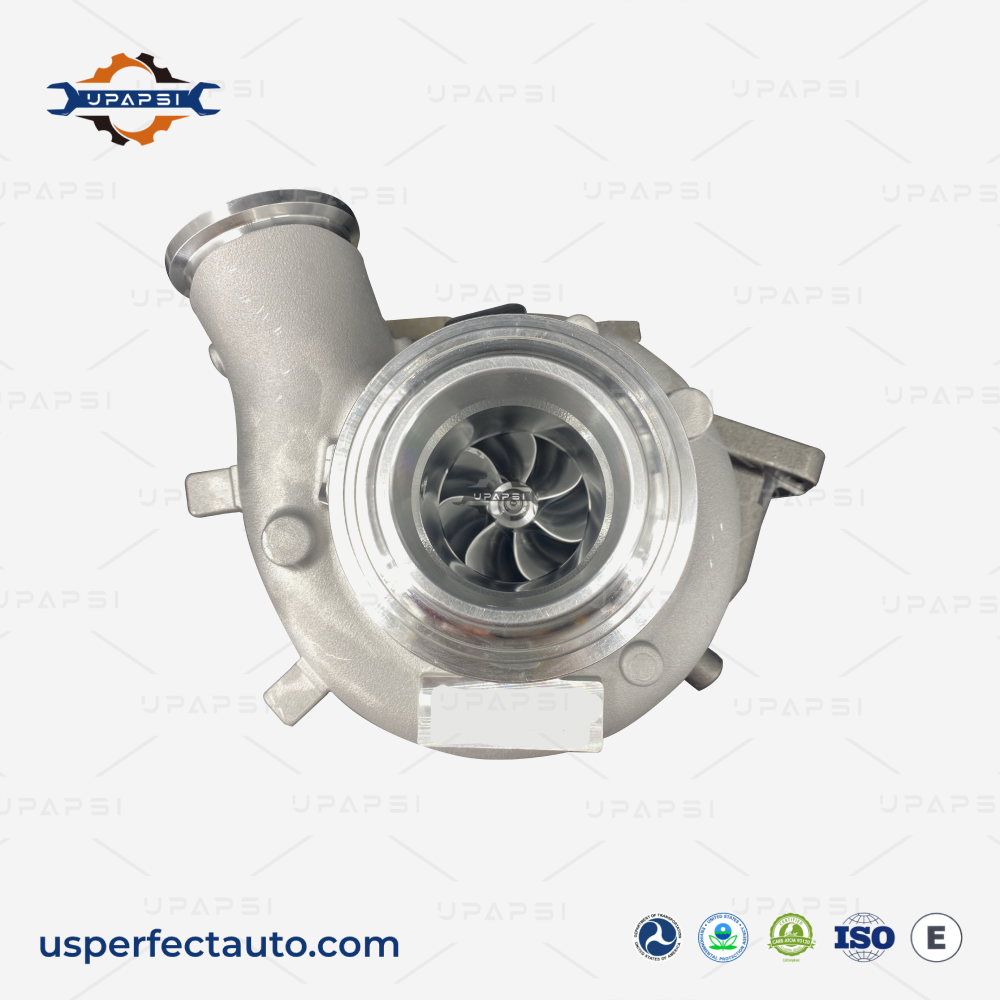
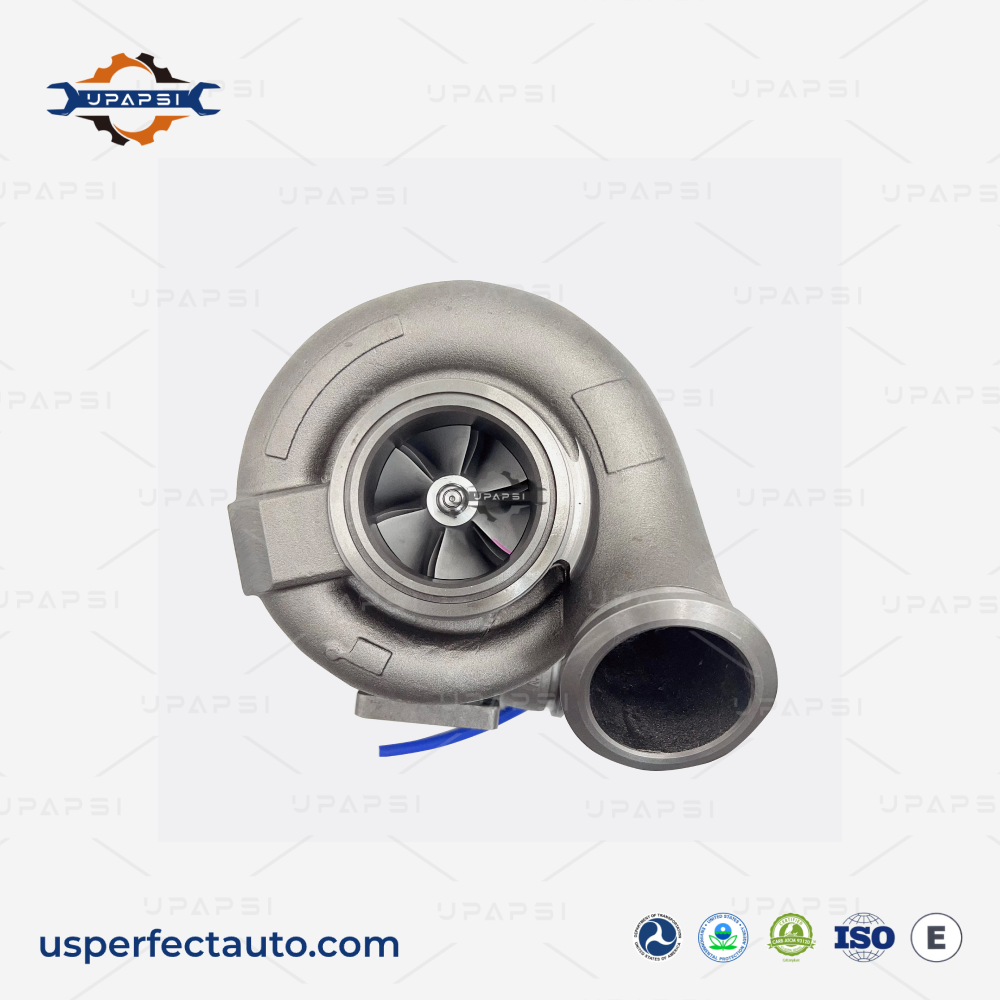
HE400VG 5459710 Turbocharger for Cummins X15 14.8L 500HP
The HE400VG is the Holset VGT (variable geometry turbocharger) used on the Cummins X15 Efficiency Series engine, rated at 400–500 HP. This is the 2017–2021 generation running the CM2350A and CM2450 engine control platforms. The VGT design uses a movable vane ring in the turbine housing, controlled by an electronic actuator, to adjust boost across the entire RPM range — fast spool at low speed, controlled boost at highway cruise. This listing is for the turbo assembly without the electronic actuator. If your existing actuator tests good, you can reuse it — just install, calibrate, and go. If you need the turbo with a pre-calibrated actuator included, see our HE400VG with actuator listing. Our HE400VG is built new with all new components including temperature and speed sensors, dynamically balanced, and ships with exhaust manifold and oil drain gaskets. We supply shops, fleets, and distributors.
Turbo Model
HE400VG (Holset VGT, turbo only — actuator not included)
OEM / Interchange Numbers
5459710, 5459710RX, 5358001RX, 5358454, 5358001, 5458936, 5458936H
Application
2017–2021 Cummins X15 14.8L 400–500HP (CM2350A / CM2450)
Service & Support
- 1-Year Unlimited-Mileage Warranty
- US Stock, Fast Dispatch
- Bulk Orders Welcome
- White-Label Support
- Fully Certified
Your Source for Quality Diesel Engine Parts
FAQ
The HE400VG (5459710) fits the Cummins X15 Efficiency Series 14.8L engine, rated at 400–500 HP, used in 2017–2021 model year trucks. Engine control modules are CM2350A and CM2450. Interchange numbers include 5459710RX, 5358001RX, 5358454, 5358001, 5458936, and 5458936H.
No. This listing is the turbo assembly only — without the electronic VGT actuator. If your existing actuator is functional, you can reuse it. If you need the turbo with a pre-calibrated actuator, see our HE400VG with actuator listing.
Yes, as long as it tests good. Remove the actuator from the old turbo, inspect the drive gear and motor, reinstall it on the new turbo, and run the ECM calibration procedure after startup. If the actuator has stripped gears, a dead motor, or position sensor drift, replace it at the same time.
They are not interchangeable. The HE451VE has an elongated compressor cover and a different actuator with two coolant ports. If your current turbo has those features, this HE400VG will not fit. Check the turbo nameplate or give us your engine serial number (ESN) and we will confirm which turbo you need.
Common signs: VGT position fault codes, derate or limp mode, loss of power, high EGT, black smoke under load, or oil at the turbo drain. Distinguish between turbo and actuator failure by checking whether the actuator responds to ECM commands — if the actuator moves but boost is still wrong, the turbo internals (bearings, vanes) are the problem. If the actuator does not respond, replace or test the actuator first.
Brand new — 100% new components including speed and temperature sensors, dynamically balanced, inspected before dispatch. Ships with exhaust manifold and oil drain gaskets. No core charge, nothing to return. One-year unlimited-mileage warranty.
Yes. We stock HE400VG turbos in the US and supply shops, fleet operators, engine rebuilders, and distributors. Volume pricing available.
HE400VG Turbo for Cummins X15: VGT System, Identification, and Replacement
The HE400VG is the current-generation VGT turbo on the Cummins X15 Efficiency Series — one of the most popular Class 8 engine platforms in North America. Every Kenworth, Peterbilt, Freightliner, and International truck running the 2017+ X15 at 400–500 HP uses a variant of this turbo. When it fails, the truck either derate or shuts down. Understanding how the VGT system works and what fails helps you order the right part and avoid repeat issues.
How the HE400VG VGT system works
Inside the turbine housing, a ring of adjustable vanes surrounds the turbine wheel. At low RPM, the engine ECM commands the electronic actuator to close the vanes — this narrows the exhaust path, speeds up exhaust flow over the turbine, and builds boost quickly. At high RPM, the vanes open to prevent overboosting and reduce backpressure. The ECM also uses vane position during engine braking and DPF regeneration. The result is a turbo that acts small at low speed and big at high speed, without the lag of a fixed-geometry design.
Turbo only vs turbo with actuator
The HE400VG has two main components that fail independently:
| Component | What Fails | What to Order |
|---|---|---|
| Turbo assembly | Bearing wear, vane ring sticking, compressor or turbine wheel damage | This listing — turbo without actuator. Reuse your existing actuator if it tests good. |
| Electronic actuator | Internal motor failure, gear strip, position sensor drift | Actuator only (if turbo is still healthy) |
| Both | High mileage, turbo and actuator both failing | HE400VG with actuator — ships pre-calibrated, plug-and-play |
Many shops buy the turbo and actuator separately because the actuator is often still functional when the turbo internals fail. If you order this turbo-only listing, you will reinstall your existing actuator and run a calibration through the ECM. If you need both, the with-actuator version saves time — it ships pre-calibrated so no calibration step is needed after install.
HE400VG vs HE451VE — they are not interchangeable
Some X15 engines use the HE451VE instead of the HE400VG. The HE451VE has a different (elongated) compressor cover and a different actuator with two coolant ports. If your current turbo has an elongated compressor cover and a coolant-line actuator, this HE400VG will not fit. Check the turbo model stamped on the nameplate or give us your engine serial number (ESN) — we will verify which turbo your X15 needs before shipping.
Common failure modes on the X15 VGT
- Vane ring sticking — soot buildup jams the vanes in one position. Symptoms: derate codes, poor throttle response, or overboosting. DPF regen issues upstream often accelerate this.
- Bearing wear — journal bearings wear over 400k–600k miles. Shaft play increases, oil leaks past seals, EGT rises.
- Compressor wheel damage — foreign object ingestion from a failed air filter or loose intake clamp. Immediate loss of boost and metallic noise.
- Actuator failure — internal gear or motor fails, throwing VGT position fault codes. The turbo itself may still be fine — diagnose before replacing both.
Installation notes
- If reusing your existing actuator: remove it from the old turbo, inspect the gear teeth, test the motor, and reinstall on the new turbo. Run the ECM calibration procedure after startup.
- Replace the exhaust manifold gasket and the oil drain gasket — both ship with this turbo.
- Inspect the oil feed line for restrictions. On X15 engines with high mileage, the feed line can clog internally.
- Prime the new turbo with clean oil and hand-rotate the shaft before first start.
- After startup, let the engine idle for 3–5 minutes. Verify VGT position tracking through the ECM before putting the truck under load.
See our quality process for how each HE400VG is balanced and tested before dispatch.
Related Products
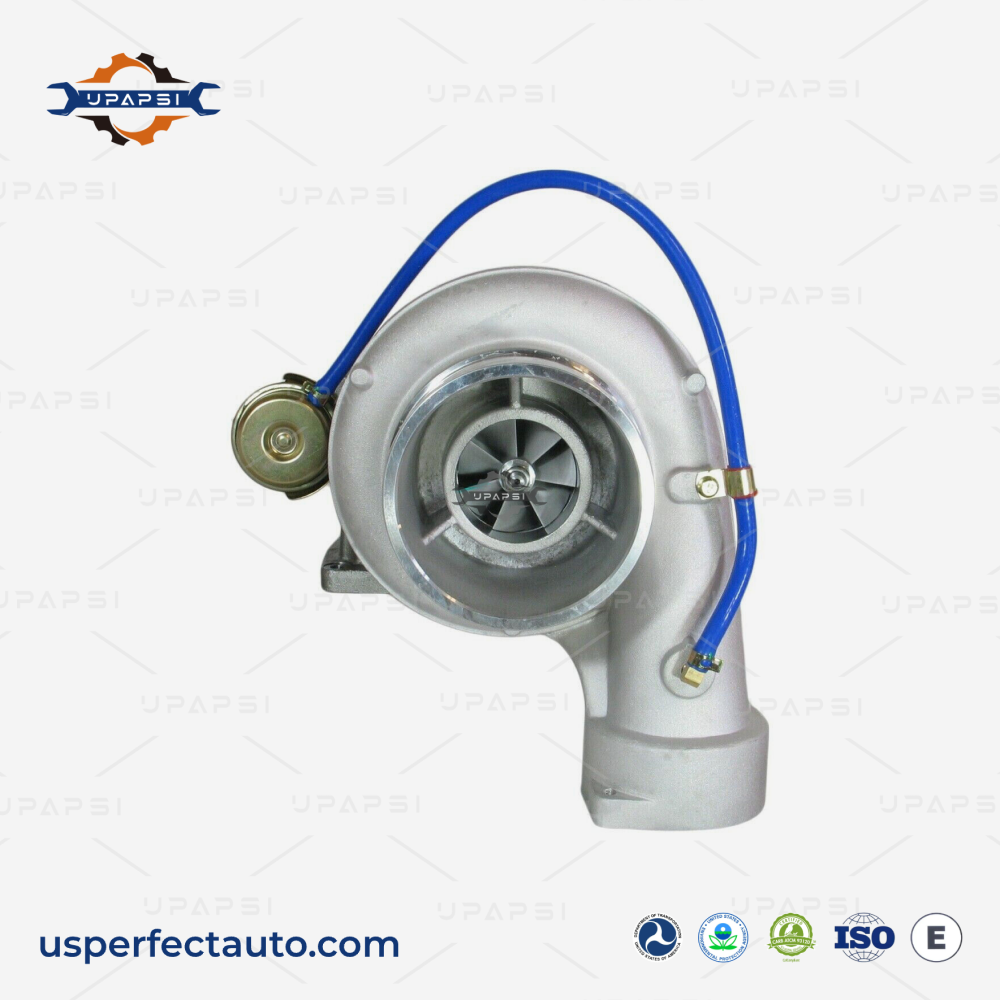
GT5008BS 0R7924 Turbocharger for Caterpillar 3406B 15.8L
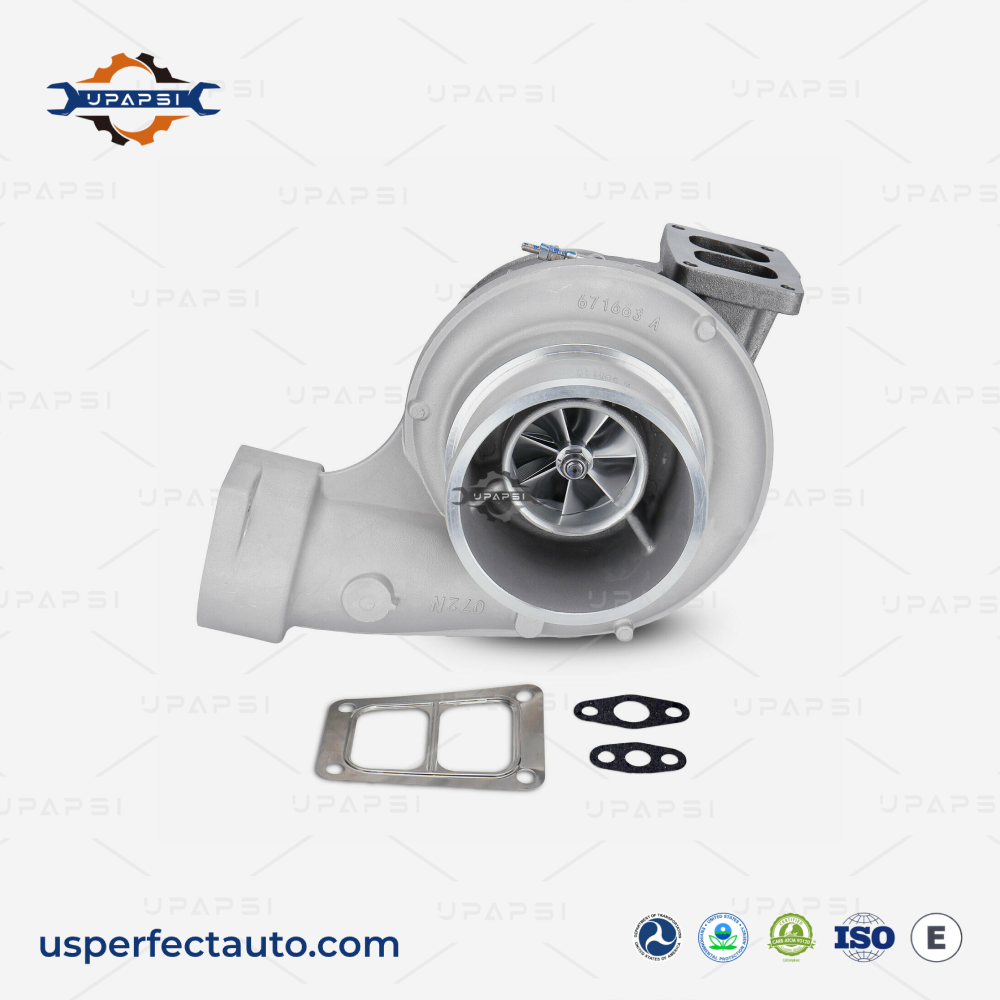
S410G 177148 Turbocharger for Caterpillar 3406E C15 C16 14.64L
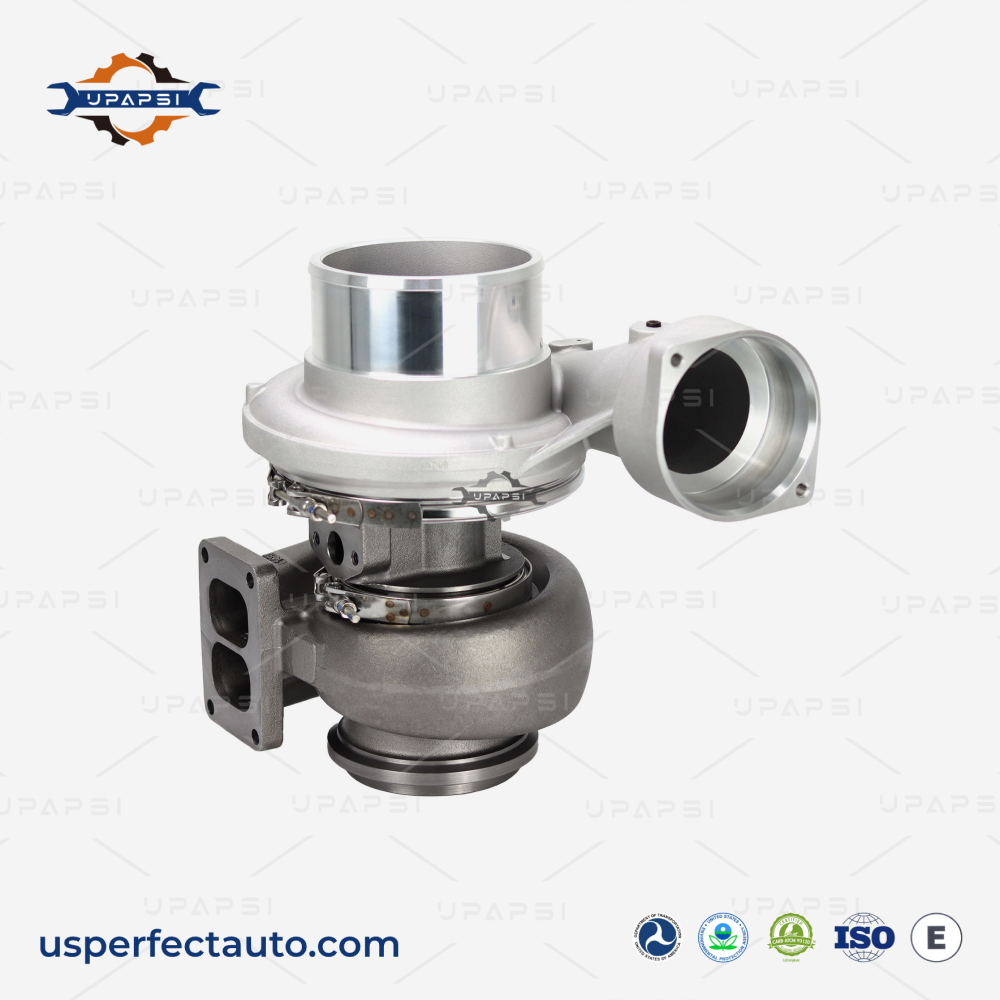
S410SX S478 78mm Turbocharger for Caterpillar 3406B C15 C16
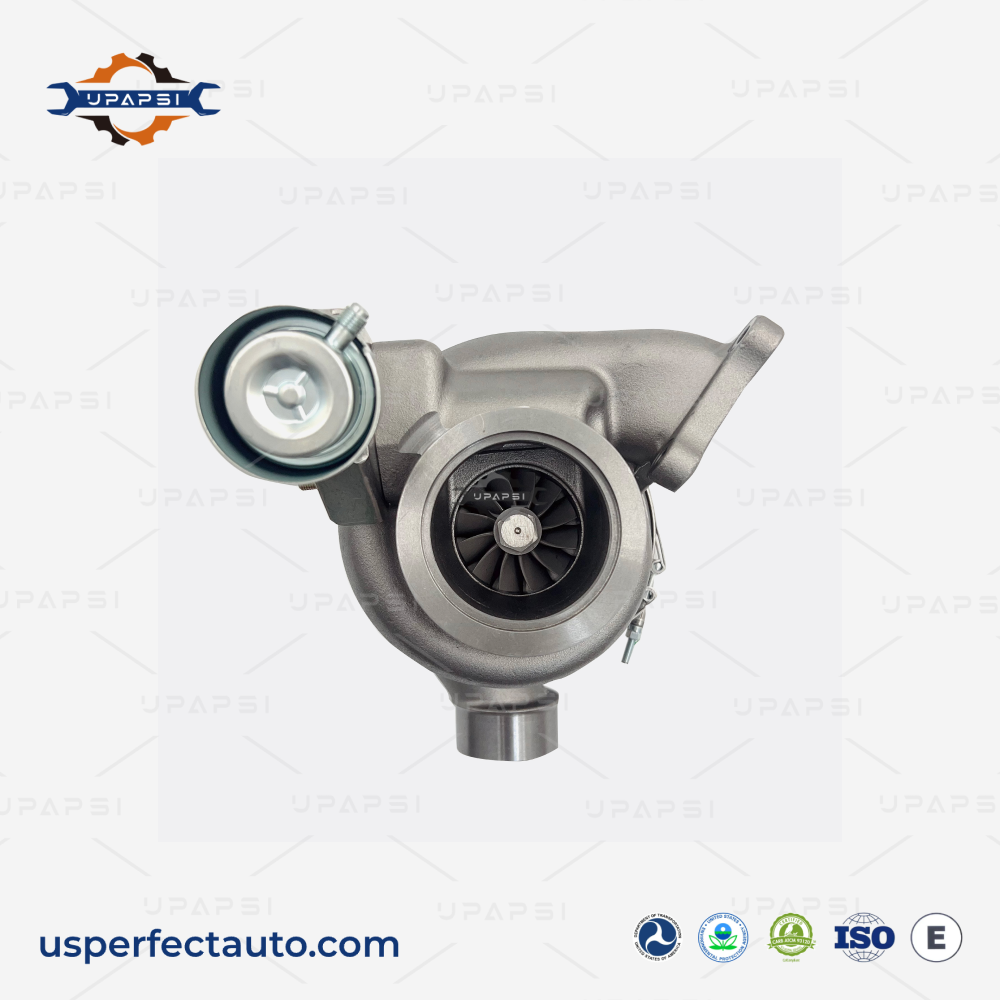
S410SX Turbocharger for Caterpillar 3406B 3406C C15 C16
GTA4294BS 10R2407 High Pressure Turbocharger for Caterpillar C15 Acert
S410G 178731 Turbocharger for Caterpillar 3406 Engine 1980-2013