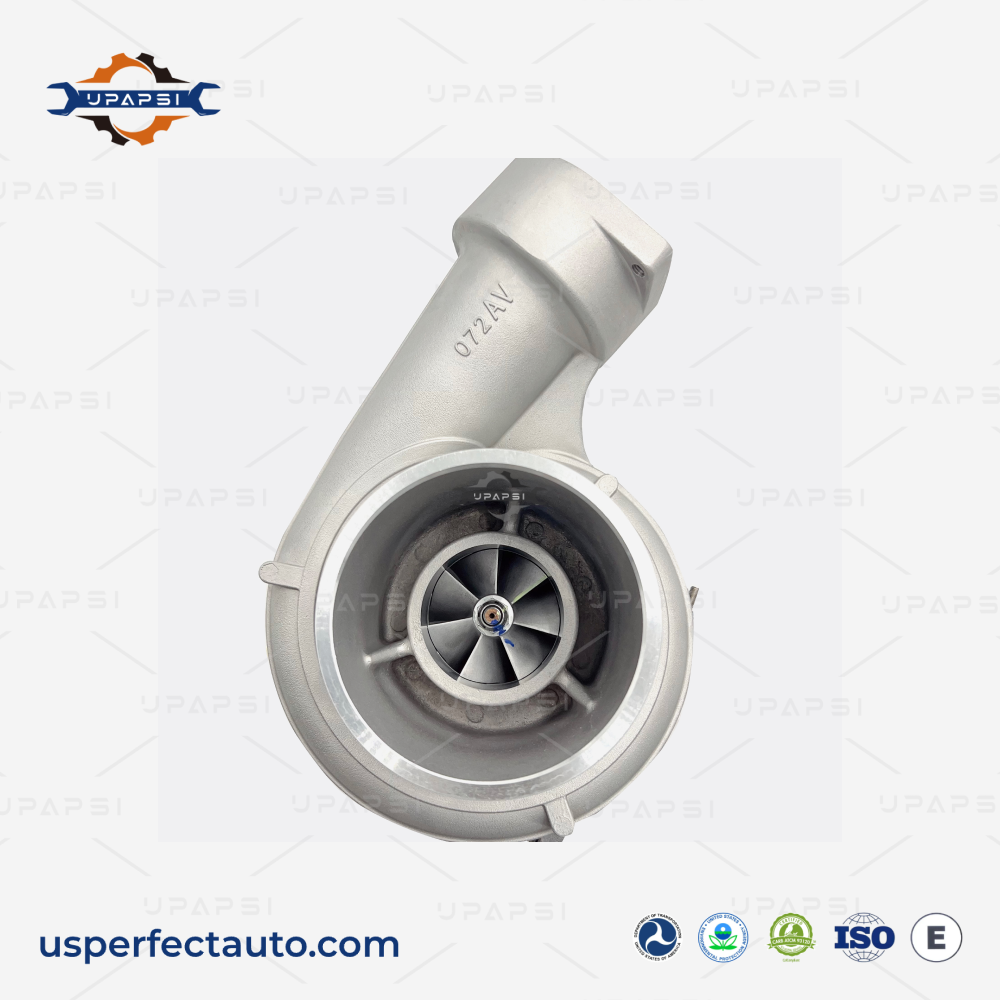






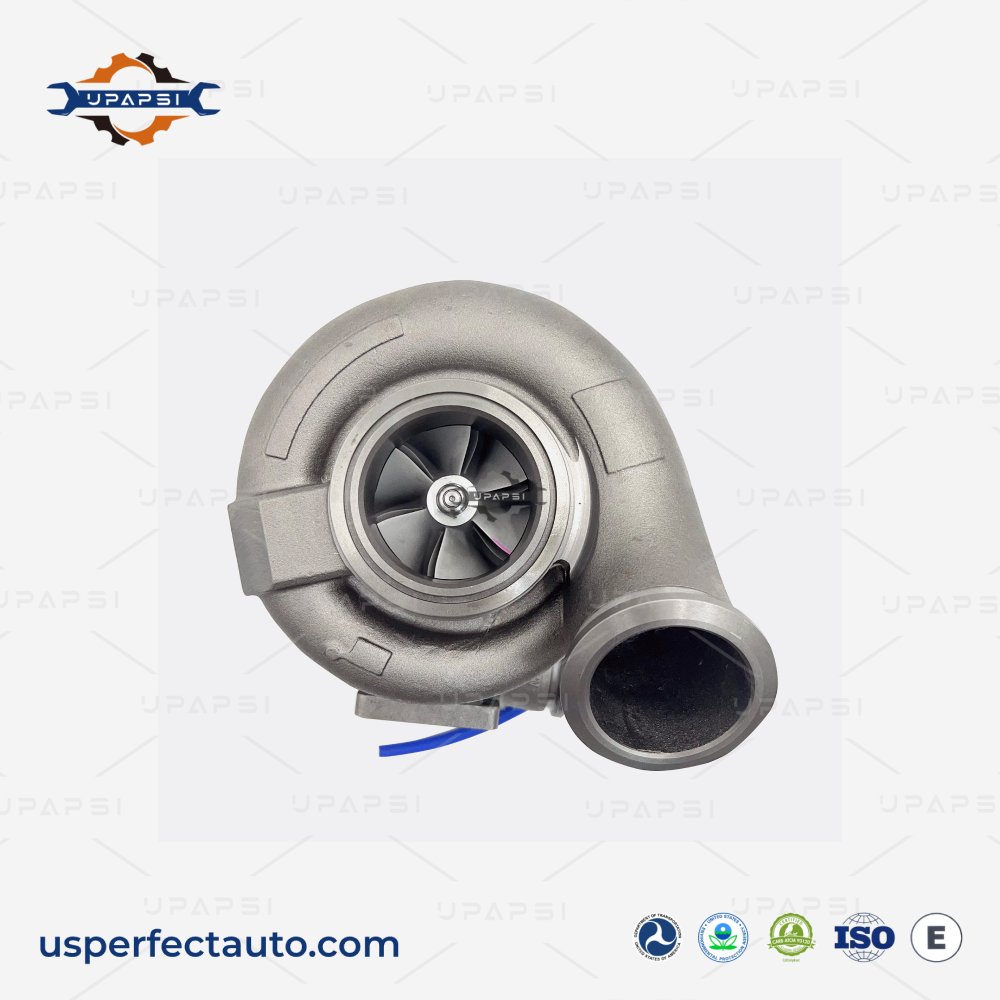
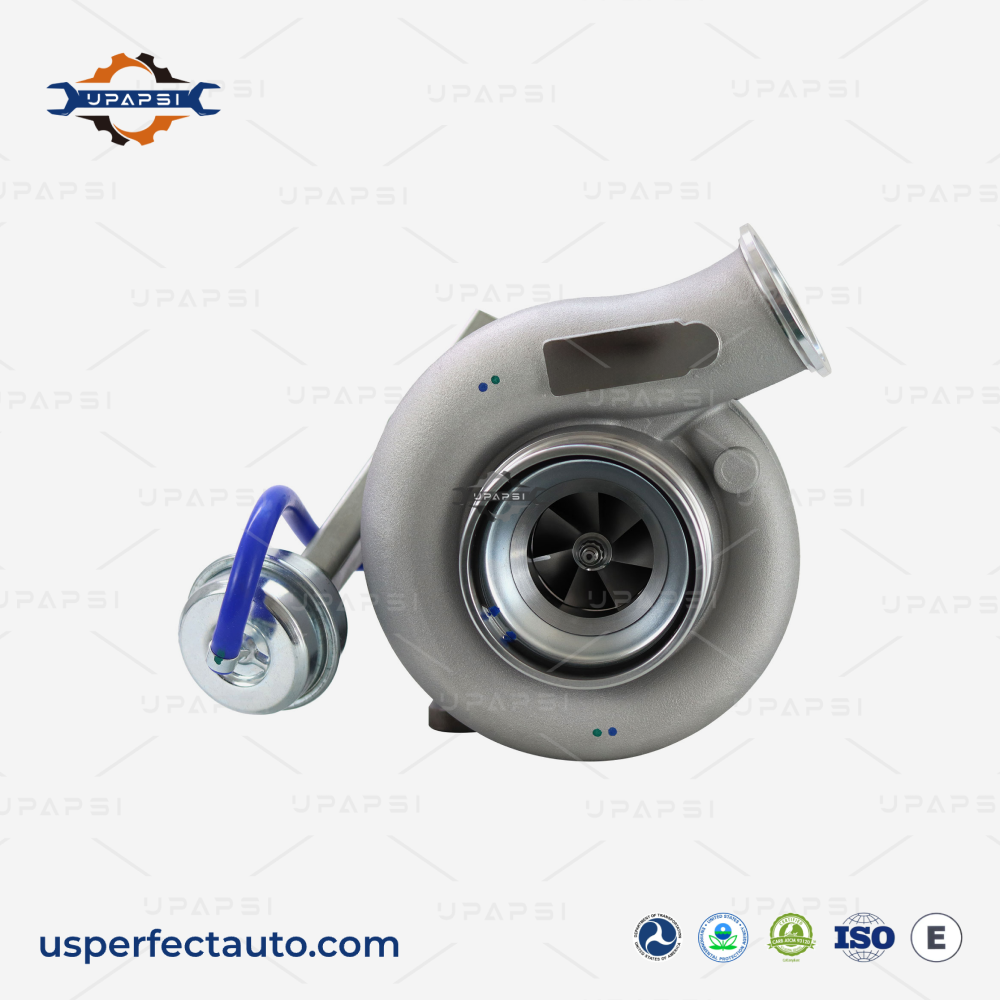
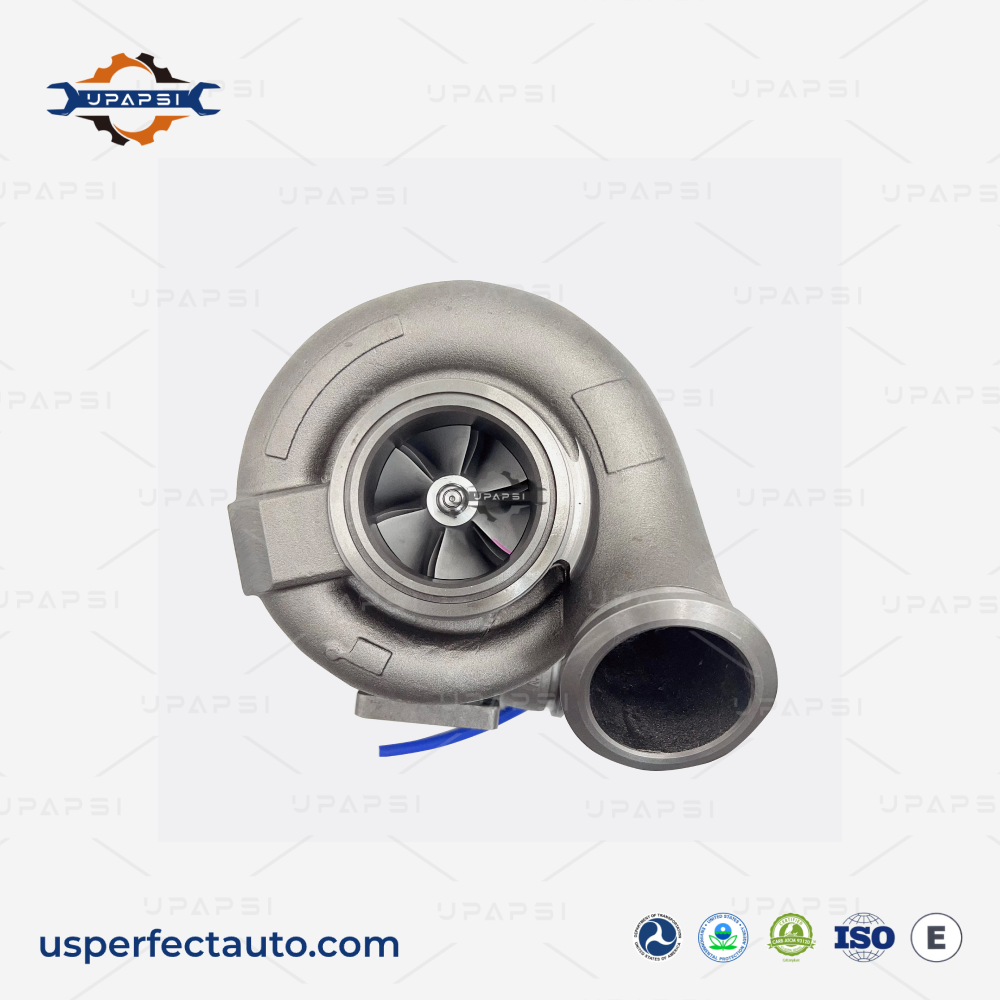
HX35G 4042333 Turbocharger for Cummins ISL ISLG-280 Natural Gas
The HX35G is the Holset turbocharger built specifically for the Cummins ISL and ISLG-280 compressed natural gas (CNG) engines — the 8.9L platform used in transit buses, refuse trucks, utility vehicles, and other municipal and commercial fleets running on natural gas. The G in the model name indicates a gas-engine application. This turbo has a pneumatic wastegate actuator and a water-cooled bearing housing, both critical for the thermal demands of CNG combustion. Holset master number is 4042333. Our HX35G ships new with all new components including the wastegate actuator, dynamically balanced, with gaskets included. We supply transit agencies, municipal fleets, shops, and distributors.
Turbo Model
HX35G (natural gas, wastegated, water-cooled bearing housing)
OEM / Interchange Numbers
4042333, 3794682
Application
Cummins L Gas, ISL, ISLG, ISLG-280 CNG 8.9L
Service & Support
- 1-Year Unlimited-Mileage Warranty
- US Stock, Fast Dispatch
- Bulk Orders Welcome
- White-Label Support
- Fully Certified
Your Source for Quality Diesel Engine Parts
FAQ
The HX35G (4042333) fits the Cummins ISL, ISLG, and ISLG-280 CNG (compressed natural gas) 8.9L engine. It is used in transit buses, refuse trucks, utility vehicles, and other CNG-powered commercial fleets. OEM numbers include 3794682, 2837772, 2839643, 4955609, 5357728, and 5351106.
No. CNG engines produce higher exhaust temperatures than diesel. A standard diesel turbo bearing will overheat and coke. The HX35G has a water-cooled bearing housing and materials rated for CNG combustion temperatures. Using a diesel turbo on a CNG engine will result in premature bearing failure.
Yes. The HX35G ships complete with the pneumatic wastegate actuator and mounting gaskets.
Yes. The HX35G has coolant passages in the bearing housing in addition to oil lubrication. You need to connect two coolant lines to the bearing housing during installation and bleed the system before startup.
Brand new, 100% new components, dynamically balanced. Ships with actuator and gaskets. No core charge. One-year unlimited-mileage warranty.
Yes. We stock HX35G turbos in the US and supply transit agencies, municipal fleets, bus operators, and distributors. Volume pricing available.
HX35G for Cummins CNG Engines: Natural Gas Turbo Essentials
Natural gas engines run at higher exhaust temperatures than their diesel counterparts at the same displacement. The HX35G is engineered for this environment with a water-cooled bearing housing and materials rated for CNG combustion temperatures. If your fleet runs Cummins ISL G or ISLG-280 CNG engines, this is the turbo you need.
Why CNG engines need a different turbo
CNG combustion produces higher exhaust gas temperatures (EGT) than diesel at comparable loads. A standard diesel turbo bearing housing running oil-only cooling will overheat and coke in a CNG application. The HX35G addresses this with coolant passages in the bearing housing — the same approach used on the HX55W for the high-HP diesel ISX. The HX35G also uses a pneumatic wastegate to regulate peak boost, preventing overboosting at the stoichiometric air-fuel ratios CNG engines run.
Common applications
| Vehicle Type | Examples |
|---|---|
| Transit bus | Municipal transit fleets, shuttle buses (Solaris, New Flyer, etc.) |
| Refuse truck | CNG-powered garbage/recycling trucks |
| Utility / Municipal | Street sweepers, utility service trucks |
| Medium-duty truck | CNG delivery trucks, vocational trucks |
Failure modes specific to CNG turbo applications
- Coolant seal degradation — the higher EGT in CNG engines accelerates coolant O-ring and seal aging. Check for coolant weeping at the bearing housing during routine service.
- Wastegate actuator fatigue — the diaphragm inside the canister degrades over time from heat cycling. A stuck or leaking wastegate causes overboosting or low power. Test with a regulated air supply (same procedure as diesel turbos).
- Bearing wear from coolant contamination — if coolant O-rings fail, coolant enters the oil side of the bearing housing. This dilutes the oil and destroys the bearings quickly. Replace all coolant seals when installing a new turbo.
Installation
- Replace all coolant O-rings and fittings at the bearing housing. Do not reuse old seals.
- Connect the coolant lines and bleed the system before startup.
- Flush the oil feed line. Replace the oil drain gasket.
- Verify wastegate actuator movement with a regulated air supply after install.
- Prime with clean oil, idle 3-5 minutes before loading.
See our quality process for details.
Related Products
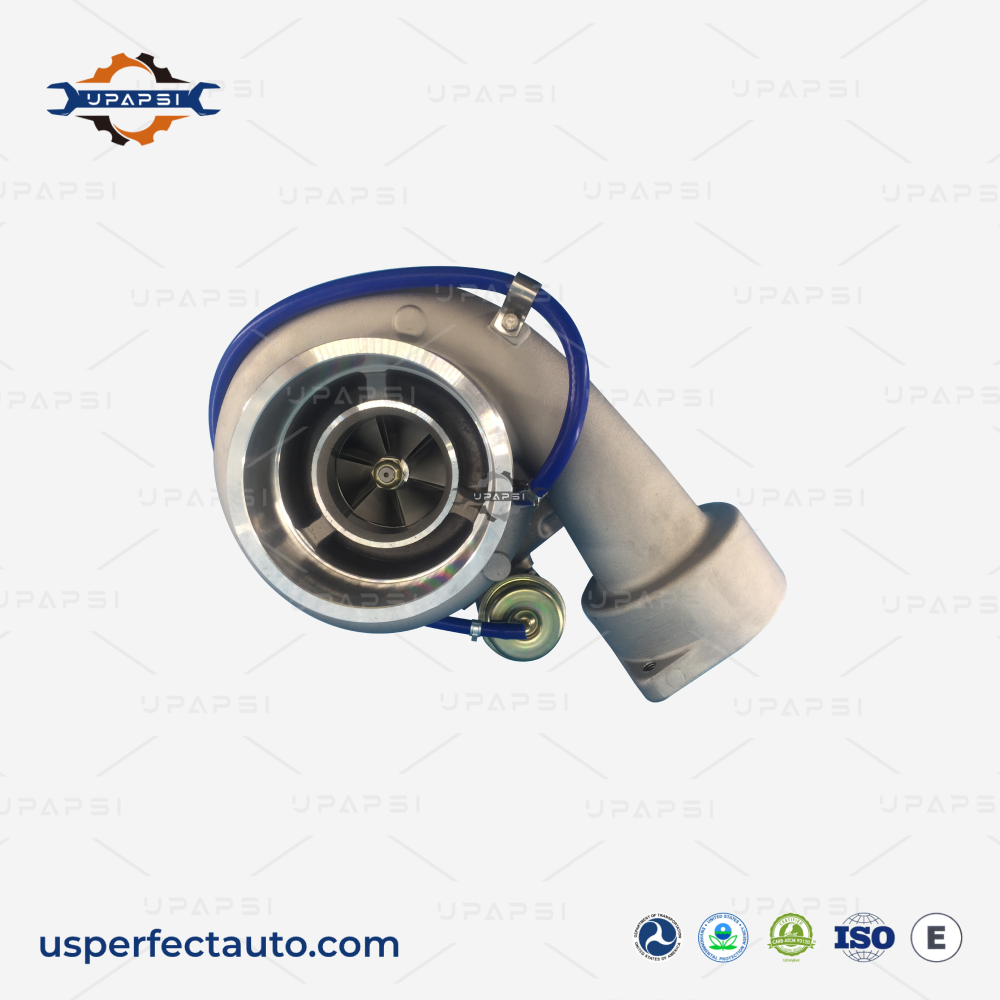
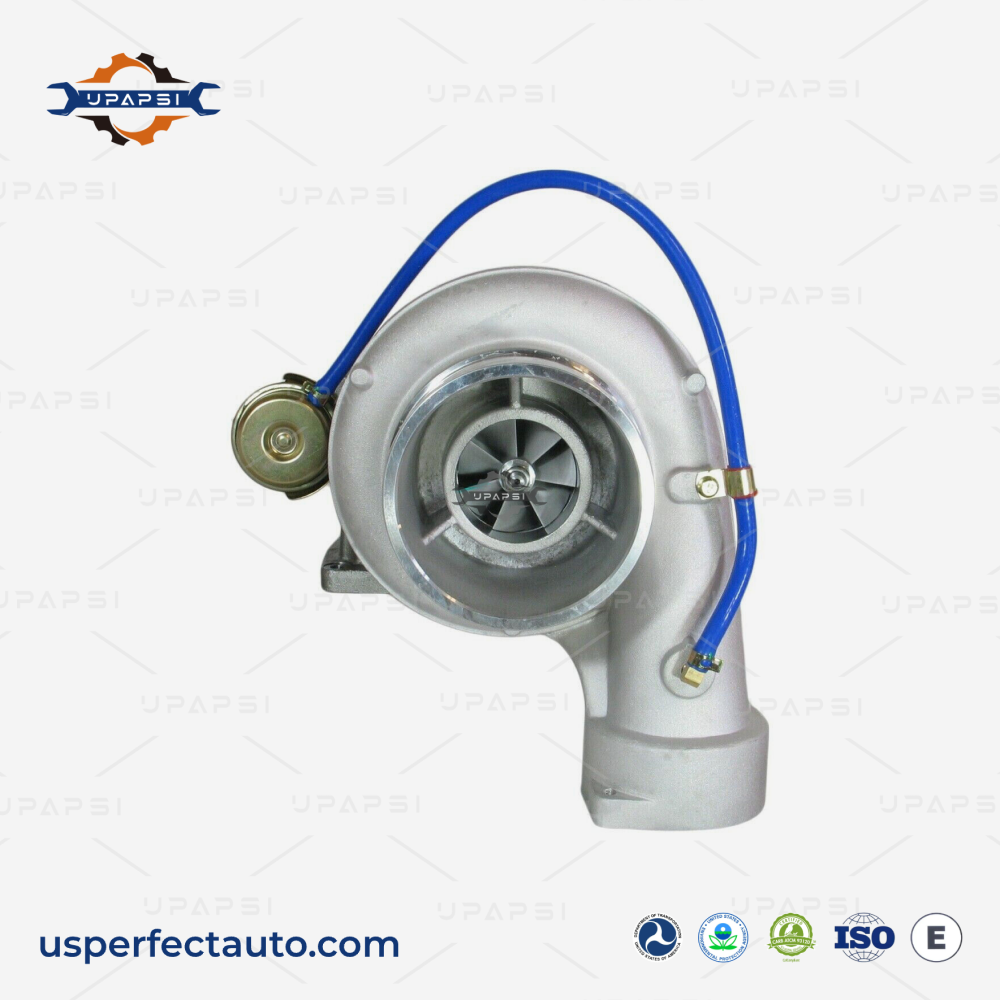
GT5008BS 0R7924 Turbocharger for Caterpillar 3406B 15.8L
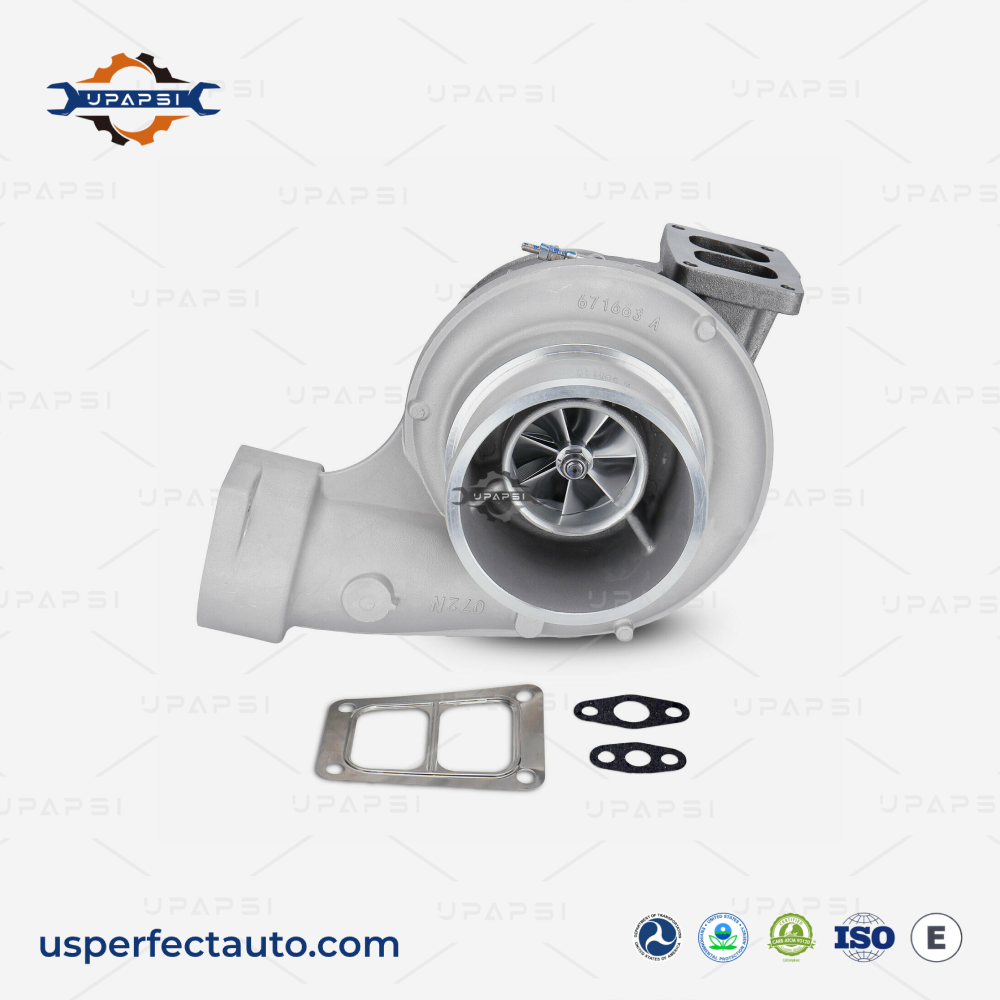
S410G 177148 Turbocharger for Caterpillar 3406E C15 C16 14.64L
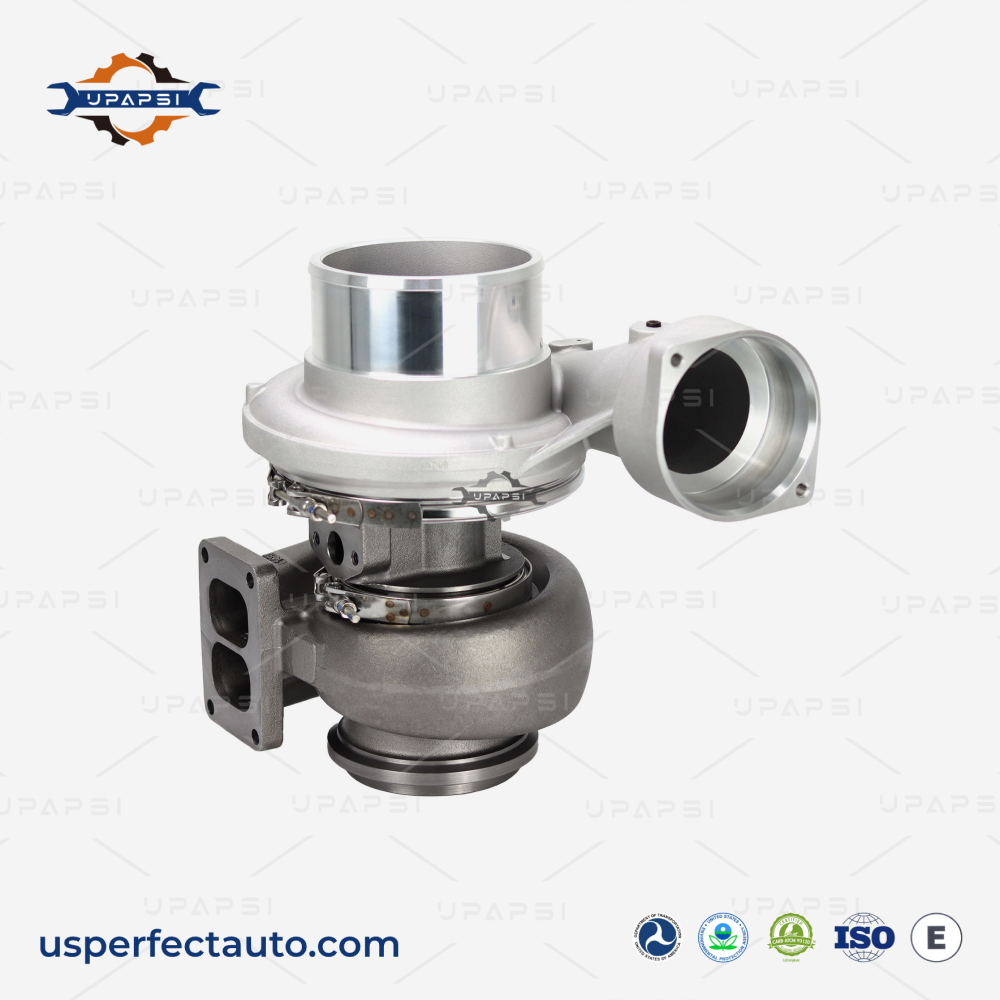
S410SX S478 78mm Turbocharger for Caterpillar 3406B C15 C16
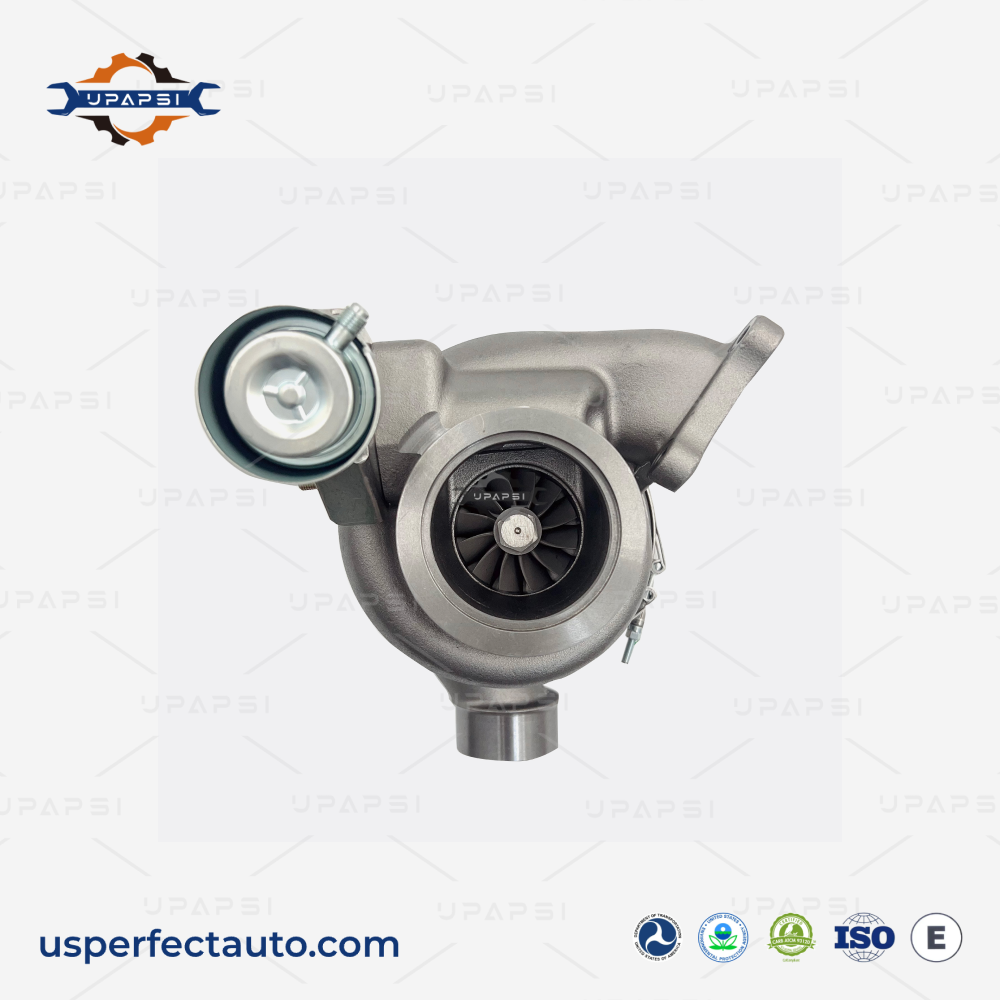
S410SX Turbocharger for Caterpillar 3406B 3406C C15 C16
GTA4294BS 10R2407 High Pressure Turbocharger for Caterpillar C15 Acert
S410G 178731 Turbocharger for Caterpillar 3406 Engine 1980-2013