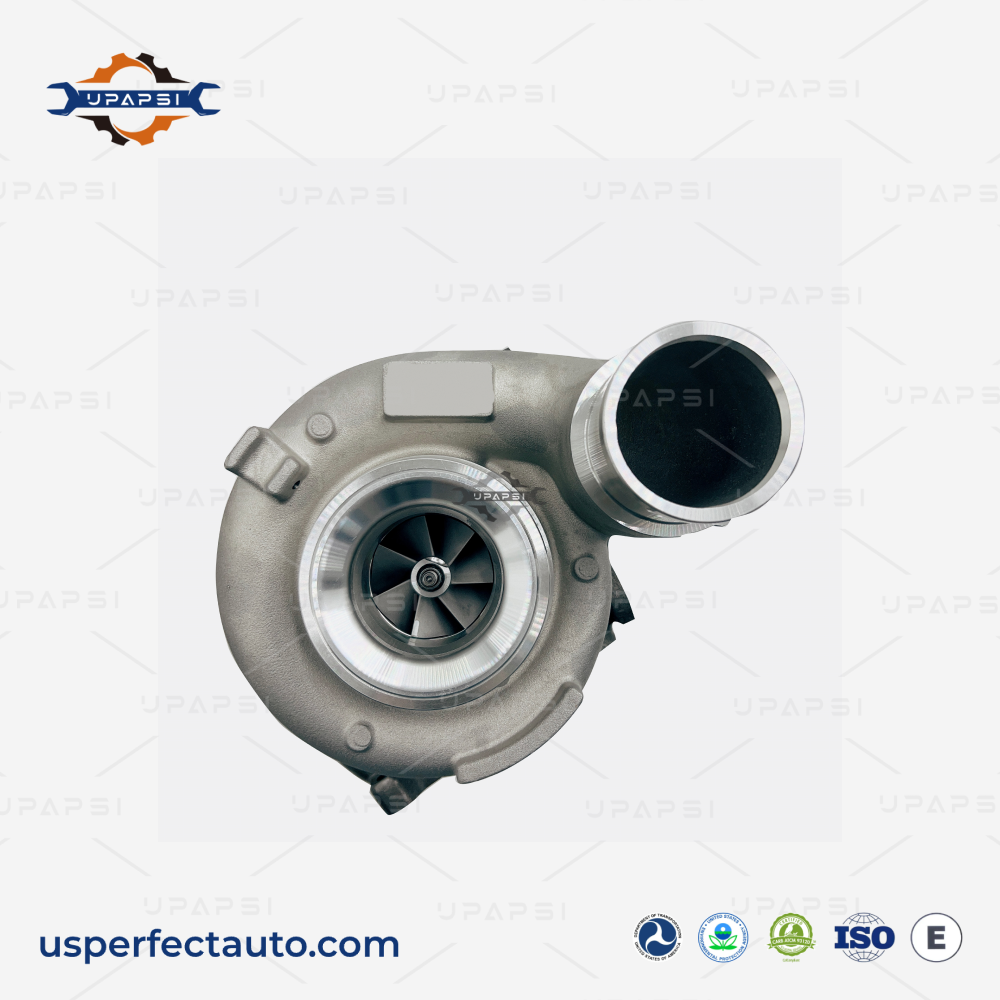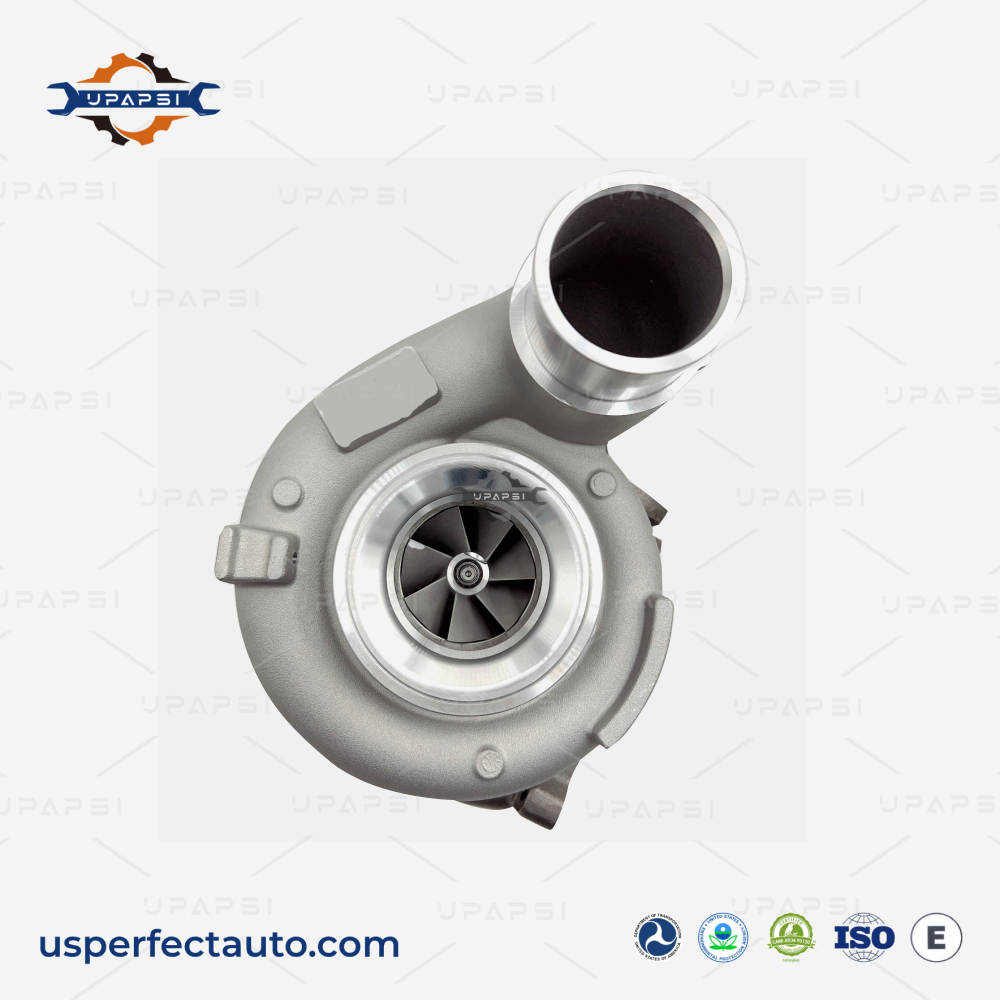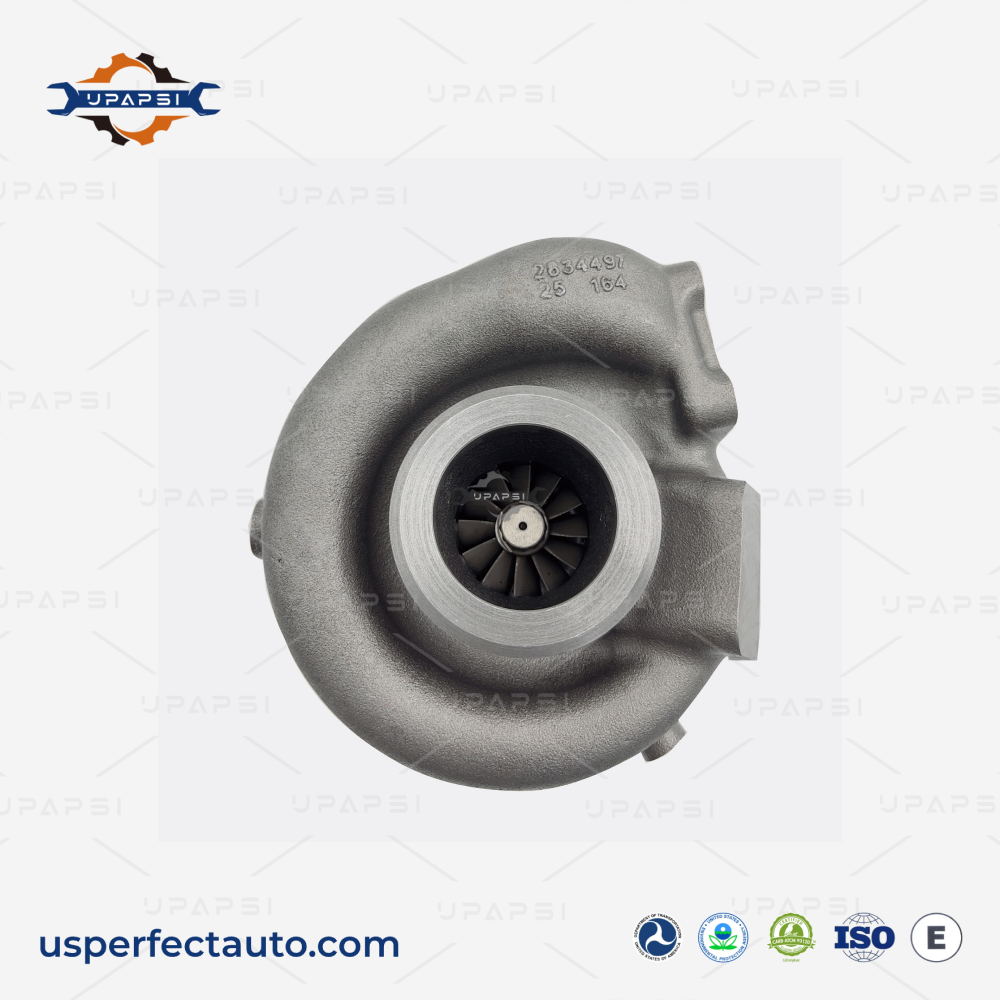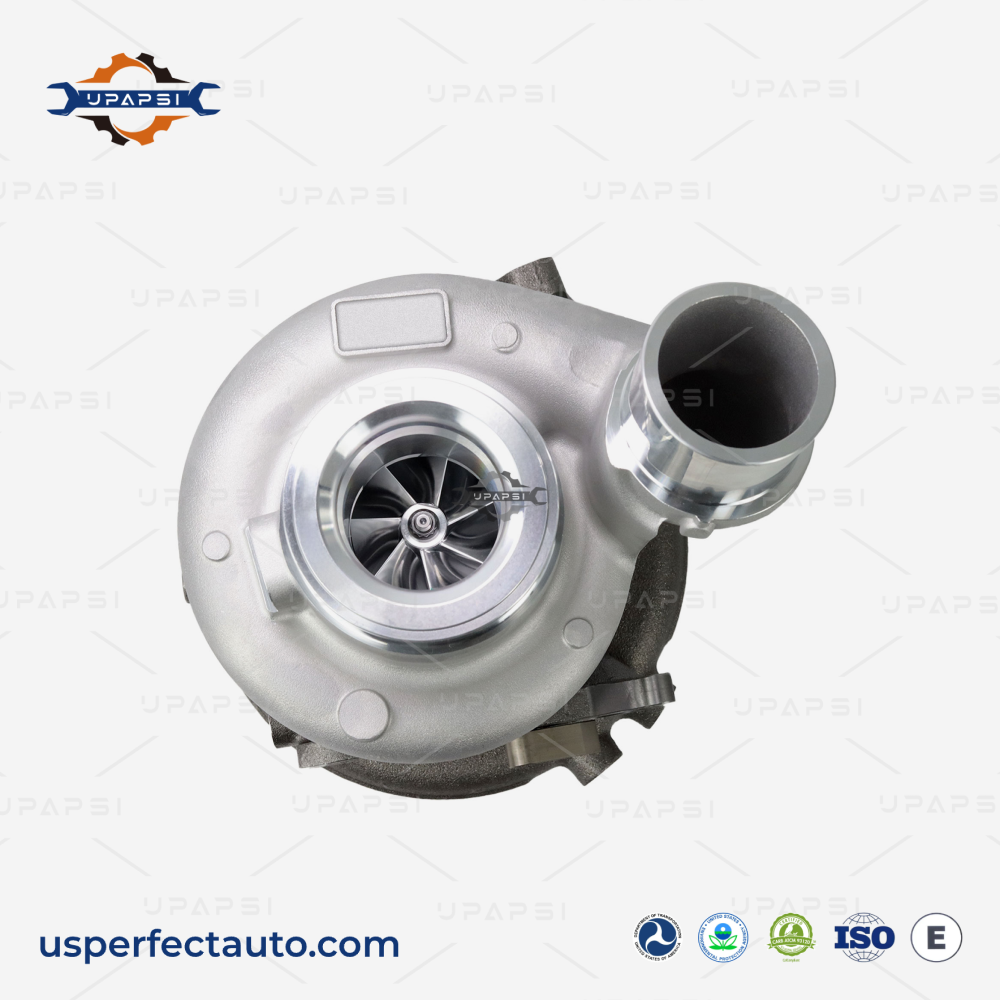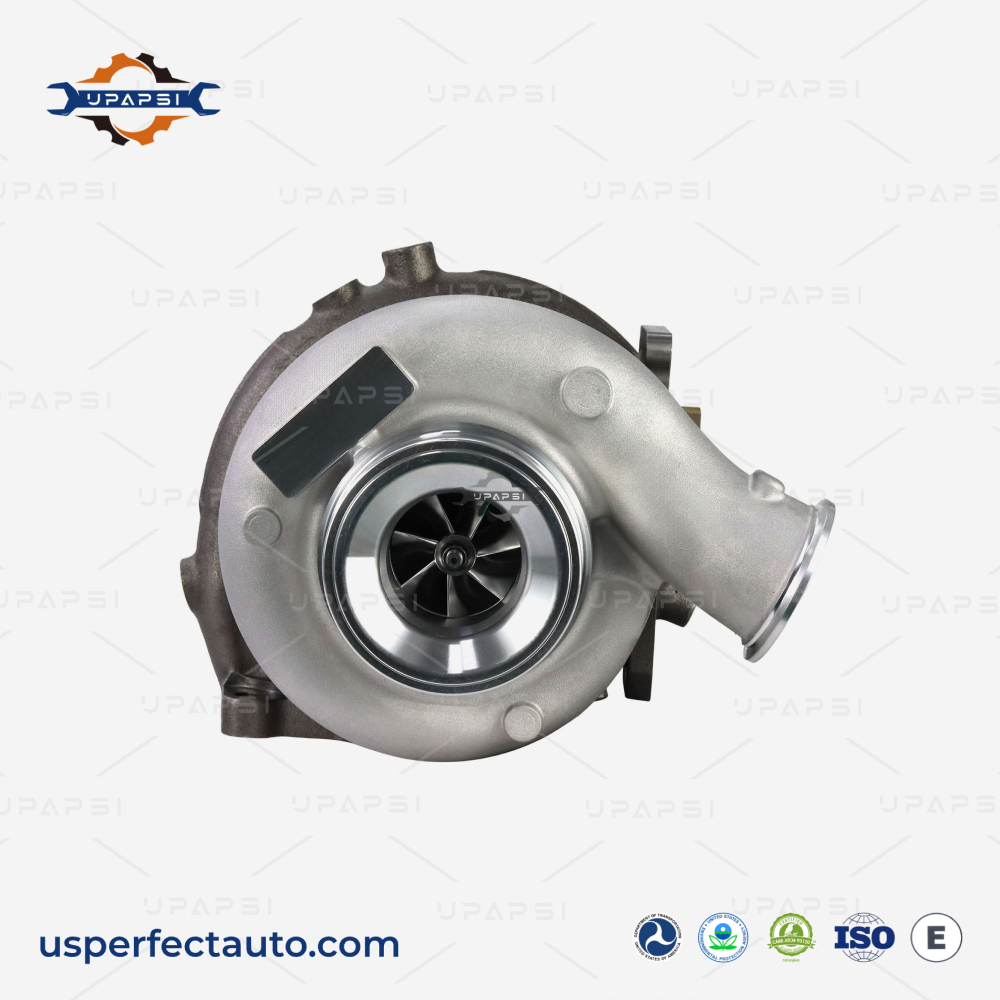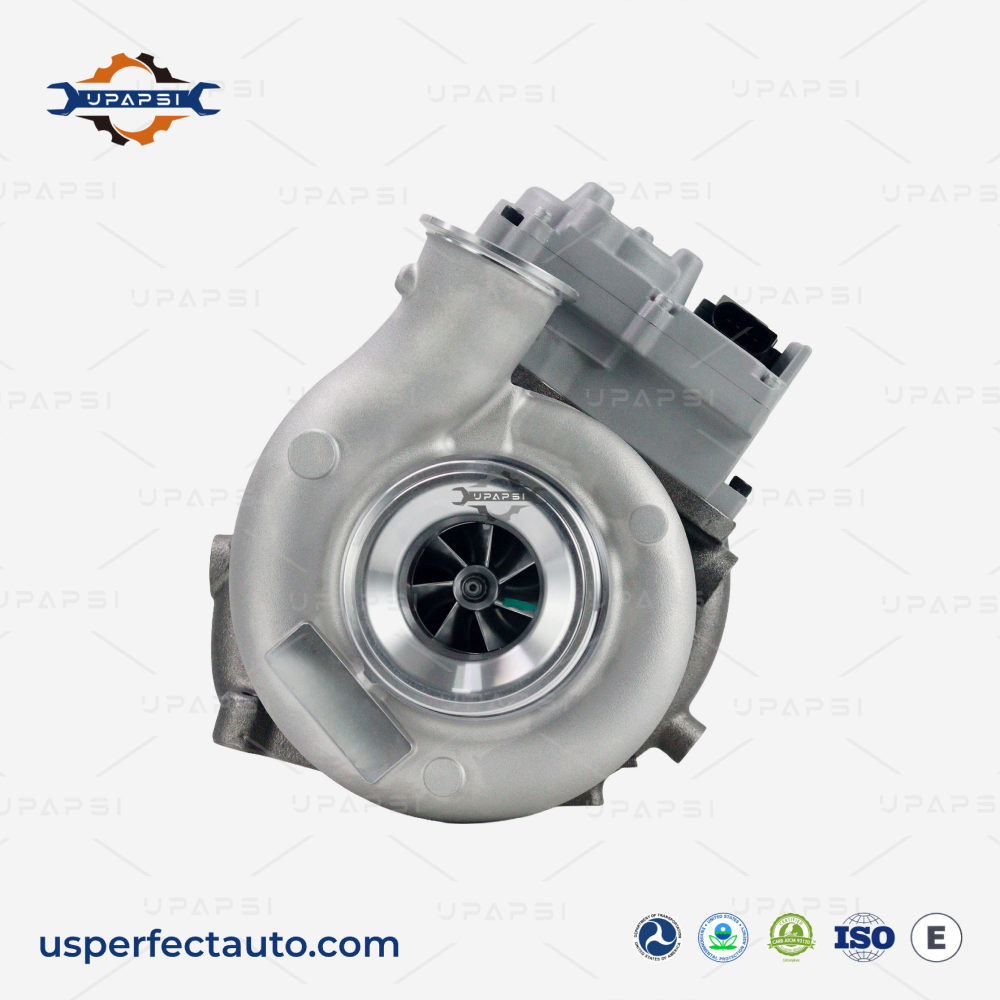
Variable Geometry Turbocharger (VGT): The Complete Guide
If you run a diesel truck built after 2007, odds are it has a VGT turbo on it. Nearly every Class 8 engine on the road today - Cummins ISX and X15, Detroit DD13 and DD15, PACCAR MX-13, Volvo D13 - uses one. So do the 6.7L Cummins in Ram pickups and every Powerstroke since 2003. The VGT is also the part behind some of the most common turbo complaints we hear from shops and fleets: stuck vanes, dead actuators, limp mode, lost exhaust brake.
This guide covers what a VGT actually is, how the vane mechanism works, why these turbos fail the way they do, and what keeps them alive. It comes from the questions our customers ask us every week when ordering replacements.
What Is a VGT Turbo?
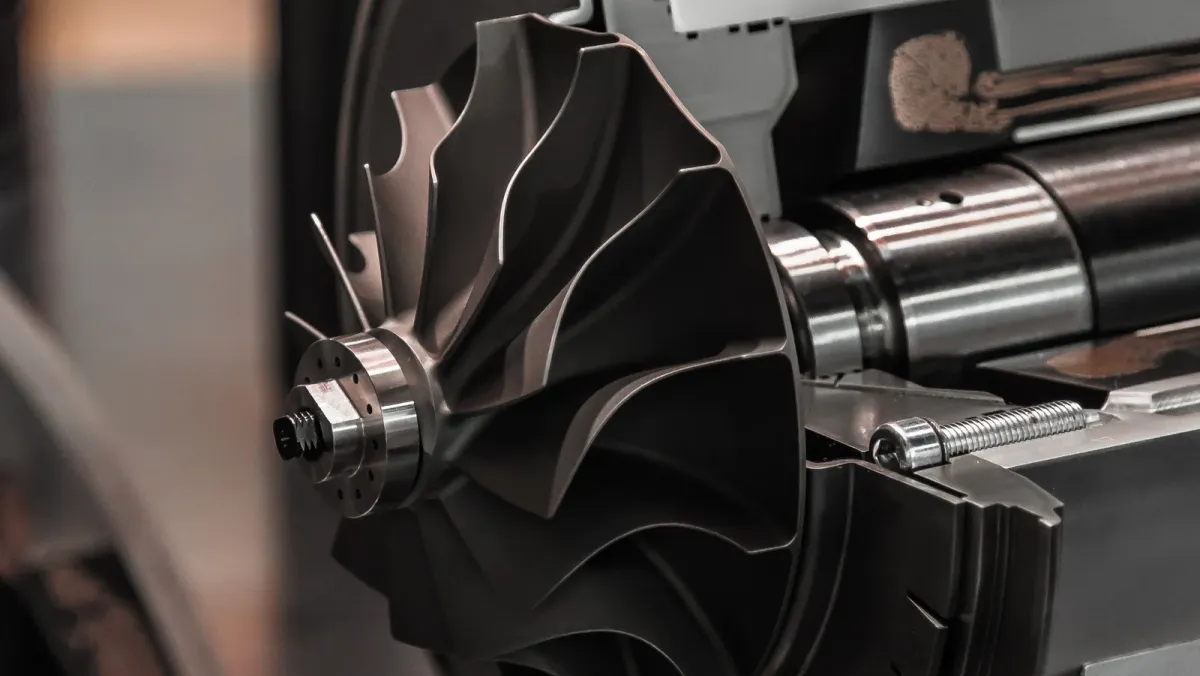
A variable geometry turbocharger (VGT) is a turbo with movable vanes inside the turbine housing that change how fast exhaust gas hits the turbine wheel. By narrowing or opening the exhaust flow path, the turbo adjusts its effective housing size on the fly. The result is fast spool at low RPM and free-flowing exhaust at high RPM - something a fixed-housing turbo physically cannot do.
You will see the same technology under different names. Holset (Cummins) calls it VGT. Garrett calls it VNT, for variable nozzle turbine. Detroit and others may say VGT, VTG or variable vane. The naming differs by manufacturer; the working principle is the same.
The Problem VGT Solves
A turbine housing has a fixed geometry, and that geometry is always a compromise. Size it small and exhaust gas speeds up through the narrow passage, so the turbo spools quickly - but at high RPM it chokes the engine with backpressure. Size it large and the engine breathes well up top, but off idle there is not enough gas velocity to spin the turbine, and you get lag.
Fixed turbos handle this with a wastegate that bleeds off excess exhaust at high RPM. That works, but it throws energy away and does nothing for low-end response. A VGT changes the housing geometry itself instead, so the turbine runs near its efficient zone across the whole RPM range. That is why VGTs need no wastegate in most diesel applications.
How the Vane Mechanism Works
Two designs dominate heavy-duty diesel:
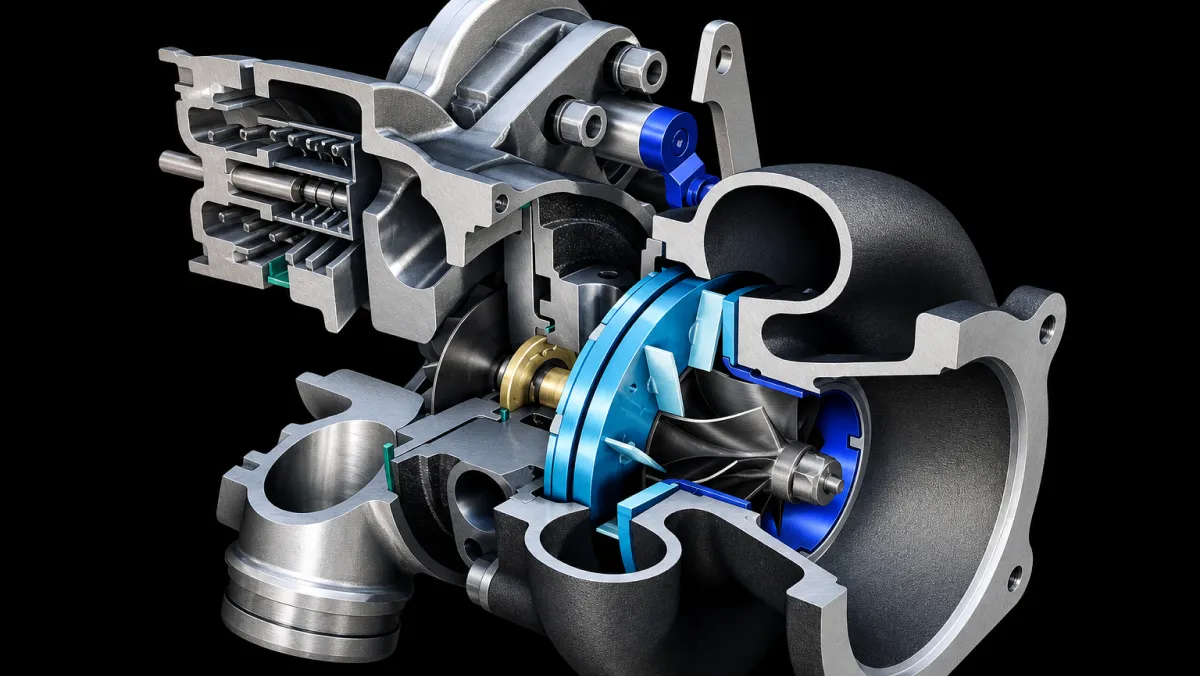
- Rotating vanes. A ring of small pivoting vanes surrounds the turbine wheel. All vanes are linked to a unison ring; rotate the ring and every vane changes angle together. At low RPM the vanes close down to a narrow angle, squeezing the exhaust into a high-velocity jet aimed at the turbine blades. At high RPM they swing open and let the gas through with minimal restriction. Garrett VNT units and most Detroit and Borg-Warner VGTs use this layout.
- Sliding nozzle. Holset took a different route on the HE-series turbos fitted to Cummins engines. The vanes sit on a sliding sleeve that moves axially, covering or exposing the turbine inlet. Fewer pivot points means fewer places for carbon to bind a vane - one reason the Holset design holds up well in EGR-heavy engines. The HE300VG, HE351VE, HE400VG and their larger siblings all work this way.
In both designs the vane position changes the effective A/R of the turbine housing continuously, hundreds of times a minute if the ECM asks for it.
The VGT Actuator: The Part That Does the Moving
The vanes do not move themselves. An actuator drives them, and on modern engines it is the single most failure-prone part of the turbo. Three types are in service:
- Electronic actuators - a motor and gear set with its own control board, mounted on the turbo. Holset HE-series and Detroit DD-series turbos use these. The ECM commands a vane position over the data link and the actuator reports back. Smart, precise, and sensitive to heat and to mechanical resistance from sticking vanes.
- Hydraulic (oil-pressure) actuators - engine oil pressure metered by a solenoid moves the vanes. Ford used this on the 6.0L and 6.7L Powerstroke Garrett turbos. Dirty or sludged oil is the usual killer here.
- Pneumatic actuators - air or vacuum operated, more common on older and off-highway applications.
One point worth knowing before you buy parts: when an electronic actuator burns out, the root cause is often mechanical. Soot binds the vane mechanism, the actuator motor strains against it, and the motor or its gears give up. Replace only the actuator without freeing the vanes and the new one fails the same way. This is why we always tell customers to verify the sector gear moves freely before condemning the actuator alone.
VGT vs Fixed Geometry: Quick Comparison
| Factor | VGT | Fixed Geometry |
|---|---|---|
| Low-RPM response | Fast spool, strong low-end torque | Lag until exhaust flow builds |
| High-RPM efficiency | Vanes open, low backpressure | Wastegate bleeds off excess energy |
| Wastegate | Not needed on most diesels | Required |
| Exhaust brake | Built in - vanes close to create braking backpressure | Separate brake hardware needed |
| EGR support | Builds the backpressure EGR needs to flow | Limited control |
| Moving parts in hot section | Vanes, unison ring, actuator | Essentially none |
| Common failure mode | Soot-bound vanes, actuator failure | Bearing and seal wear |
| Typical service life | 150,000-200,000+ miles with care | Often longer, simpler design |
The honest summary: a VGT gives better drivability, built-in engine braking and the emissions control modern engines require, in exchange for more parts that live in 700°C exhaust gas. A fixed turbo is simpler and tougher but cannot do what current emissions systems demand. On any EPA-compliant truck the choice was made for you at the factory.
Where VGTs Are Used: Engine Applications
VGT is the default architecture across North American diesel power:
- Cummins heavy-duty: ISX15 and X15 run the Holset HE451VE and HE561VE; mid-range ISB/ISL engines run the HE300VG and HE351VE. All sliding-nozzle Cummins turbochargers with electronic actuators.
- Dodge Ram 6.7L Cummins: HE351VE on 2007.5-2012 trucks, HE300VG from 2013 on. The factory exhaust brake on these trucks is the VGT doing double duty.
- Detroit: DD13 and DD15 moved to VGT designs on the GHG14 and newer builds to meet emissions targets. We stock the full Detroit turbocharger range.
- PACCAR MX-13: HE400VG and HE500VG depending on year and rating.
- Volvo/Mack D13 and MP8: HE400VE and HE431VE family - same turbo hardware across both badges.
- Ford Powerstroke: the 6.0L launched VGT in US pickups in 2003 with the Garrett GT3782V; every Powerstroke since has run a Garrett VGT.
Why VGT Turbos Fail
Almost every VGT problem traces back to one of three causes:
1. Soot and carbon buildup
This is the big one. EGR routes exhaust soot through the engine, and some of it ends up baked onto the vanes and unison ring. Add oil residue and heat cycles and the deposits harden until the mechanism cannot travel its full range. Light-throttle duty cycles, short trips and long idle hours make it worse because the turbo never gets hot enough or works hard enough to keep itself clean. Mileage is the strongest predictor: most turbos past 100,000 miles carry some buildup.
2. Actuator failure
Electronic actuators die from heat, from internal gear wear, and most often from fighting a sticking vane mechanism. Symptoms look almost identical to stuck vanes: slow response, low power, weak or dead exhaust brake, boost codes. Hydraulic actuators on Powerstroke engines fail from oil contamination and sludge blocking the control solenoid.
3. Ordinary turbo wear
VGTs still have bearings and seals like any turbo. Oil starvation, dirty oil and ingested debris kill them the same way. At shaft speeds past 100,000 RPM a bearing failure is immediate and total.
Symptoms of a Failing VGT
- Noticeable lag or low boost from a stop - vanes stuck open
- Good low-end but choked top-end power, high EGTs - vanes stuck closed
- Exhaust brake weak or not working at all
- Slow throttle response, black smoke under load
- Repeated DPF regens or soot-load warnings - a stuck VGT cannot build the backpressure regen needs
- Boost-related fault codes: P0299, P003A, P2262 on pickups; SPN 641 and related codes on heavy trucks
- Limp mode / derate
Diagnostic sequence matters here. Pull the actuator and check whether the sector gear turns freely by hand. If it moves freely, the actuator itself is the fault. If it is stiff or seized, the problem is mechanical buildup inside the turbine housing, and a new actuator alone will not fix it.
How to Make a VGT Last
- Stay on top of oil. Correct spec, changed on time, by hours not just miles if the truck idles a lot. The turbo bearings and (on Ford) the actuator hydraulics live on that oil.
- Use the exhaust brake. Every brake application cycles the vanes through their full travel and scrapes deposits off before they harden. Trucks that run the exhaust brake daily stick far less often.
- Work the engine. Periodic full-load, high-EGT operation burns soft carbon out of the hot section. Babied trucks and idle-heavy duty cycles gum up fastest.
- Keep the EGR system healthy. A leaking or stuck EGR valve dumps extra soot straight into the turbine housing.
- Clean on schedule. Cummins publishes a turbo cleaning interval for the 6.7L that most owners never see. For hard-working trucks, inspecting and cleaning the vane mechanism every 50,000-75,000 miles is cheap insurance.
Cleaning vs Replacing a Stuck VGT
A gummed but not seized mechanism can often be cleaned and returned to service. The honest expectation: cleaning fixes the symptom, not the cause. The same soot loading that stuck it once will stick it again, typically within one to two years on a high-mileage truck. Cleaning makes sense on a younger engine or as a stopgap. Once vanes or the unison ring are worn, corroded or seized solid - or the turbo has bearing play on top of vane trouble - replacement is the economical call, because labor to remove the turbo is the same either way.
Replacement VGT Turbos, In Stock in the US
We supply brand-new VGT turbochargers for Cummins, Detroit, PACCAR, Volvo, Mack, Ford and other major diesel platforms - 100% new units with new actuators where fitted, no core charge, no used parts to return. Every turbo is verified against your engine serial number before dispatch so the unit that arrives bolts on and calibrates without surprises. Single units for repair shops, volume pricing for fleets and distributors, all backed by a one-year unlimited-mileage warranty and shipped fast from US stock. Send us your part number or ESN and we will confirm the exact match.
FAQ
VGT stands for variable geometry turbocharger - a turbo with movable vanes in the turbine housing that adjust exhaust gas velocity onto the turbine wheel. Garrett markets the same technology as VNT (variable nozzle turbine). The vanes close at low RPM for fast spool and open at high RPM to reduce backpressure.
With clean oil, regular exhaust brake use and a healthy EGR system, a VGT turbo commonly runs 150,000 to 200,000 miles or more. Idle-heavy duty cycles, short trips and skipped oil changes shorten that considerably, because soot and carbon bind the vane mechanism long before the bearings wear out.
Typical signs are sluggish throttle response, low boost or lag from a stop, a weak or dead exhaust brake, black smoke under load, frequent DPF regens, and boost fault codes such as P0299, P003A or P2262. Whether power loss shows up at low or high RPM depends on the position the vanes stuck in.
Often yes, if the vanes are gummed rather than seized. The turbine housing comes apart, the vanes and unison ring get cleaned individually, and the turbo goes back in service. Expect it as a temporary fix: the conditions that caused the buildup will recreate it, usually within 12-24 months on a high-mileage engine. Seized, worn or corroded mechanisms call for replacement.
No. The vanes themselves control boost by varying the turbine inlet geometry, so the wastegate found on fixed-geometry turbos is unnecessary on most diesel VGT applications. Closing the vanes also lets the turbo work as the factory exhaust brake on engines like the 6.7L Cummins.
Because the actuator is usually the victim, not the cause. When soot binds the vane mechanism, the actuator motor strains against the resistance until its gears or electronics fail. Fitting a new actuator without freeing the vanes puts the new unit under the same load. Always confirm the sector gear moves freely; if it does not, the turbo needs cleaning or replacement, not just an actuator.